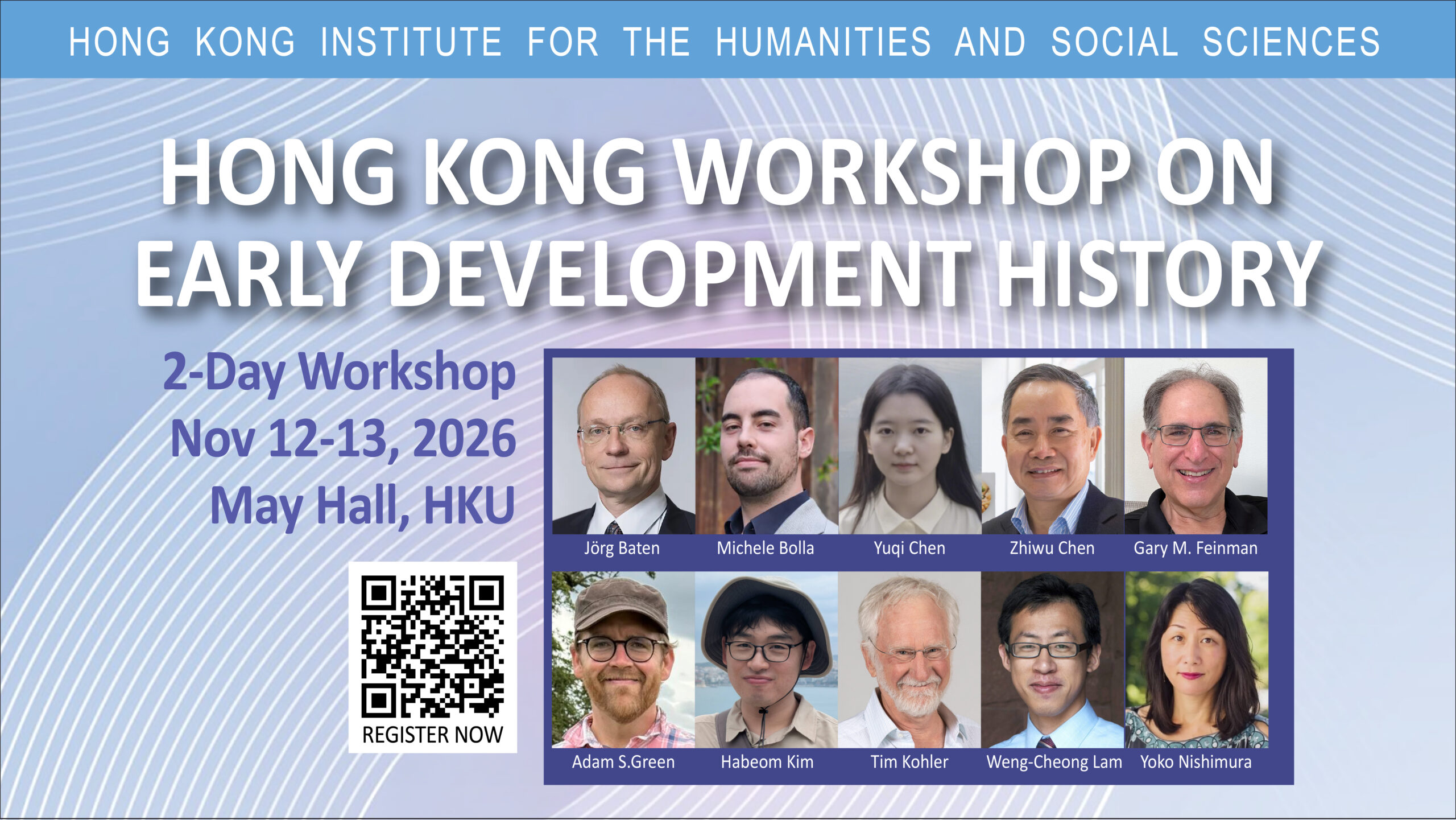
Hong Kong Workshop on Early Development History
May Hall, The University of Hong KongJointly organized by HK Institute for the Humanities and Social Sciences and Centre for Quantitative History

Jointly organized by HK Institute for the Humanities and Social Sciences and Centre for Quantitative History
Table of Contents Abstract The highlands of the Southeast Asian Massif and adjacent Southwest China constitute one of the most persistent geographies of ignorance in the human sciences — quartered […]
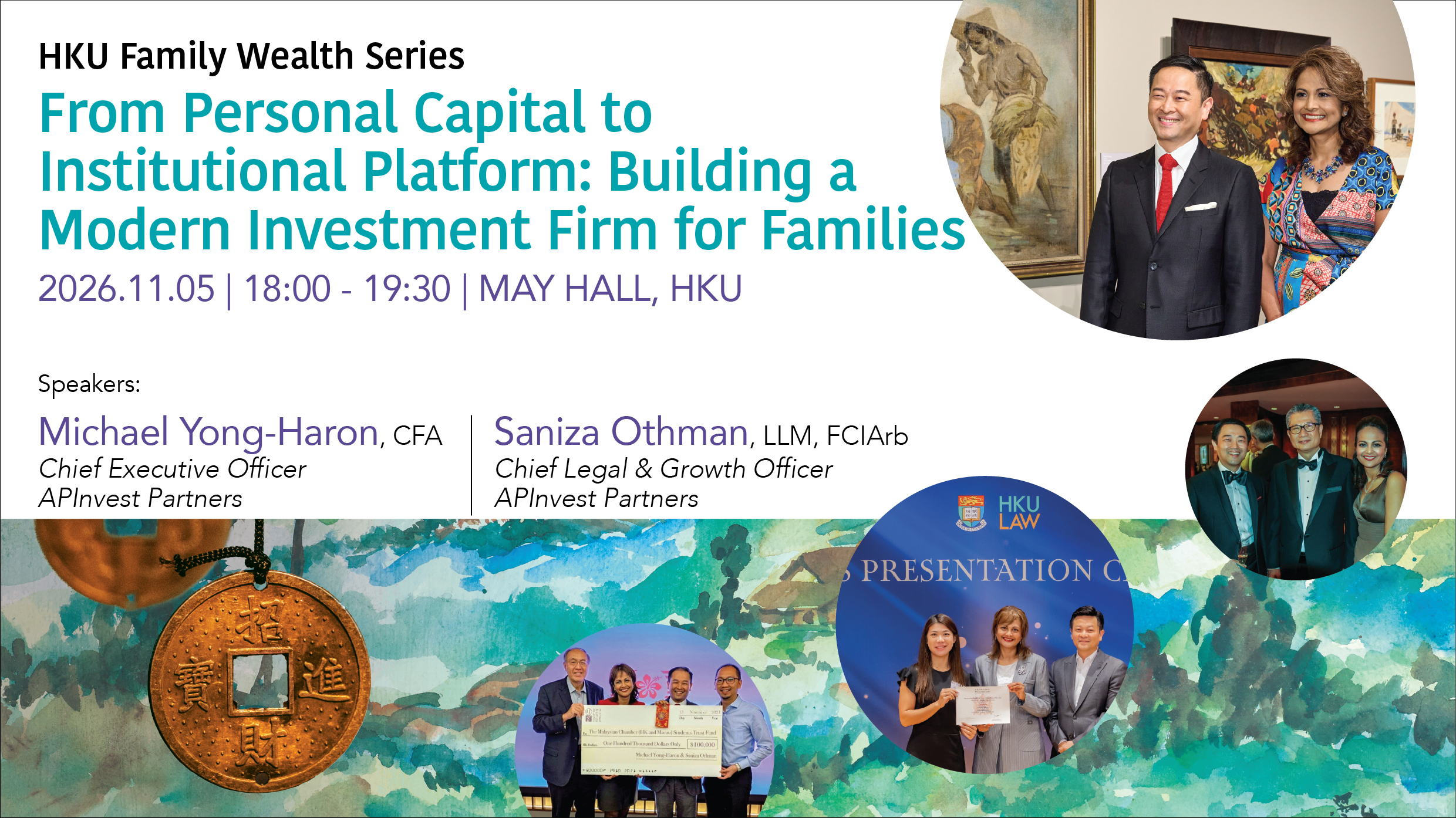
Table of Contents Abstract In family wealth management, much attention is paid to investment strategies, succession planning and governance. Yet one of the most important challenges facing entrepreneurial families […]
Table of Contents Abstract This talk examines different modes through which the Han authorities interacted with non-Han groups on and beyond the northern and southern frontier zones of the […]
Table of Contents Abstract The massive expansion of solar power in China was less a linear green transition than an evolving process of managing a politically conjured energy market. Triggered […]
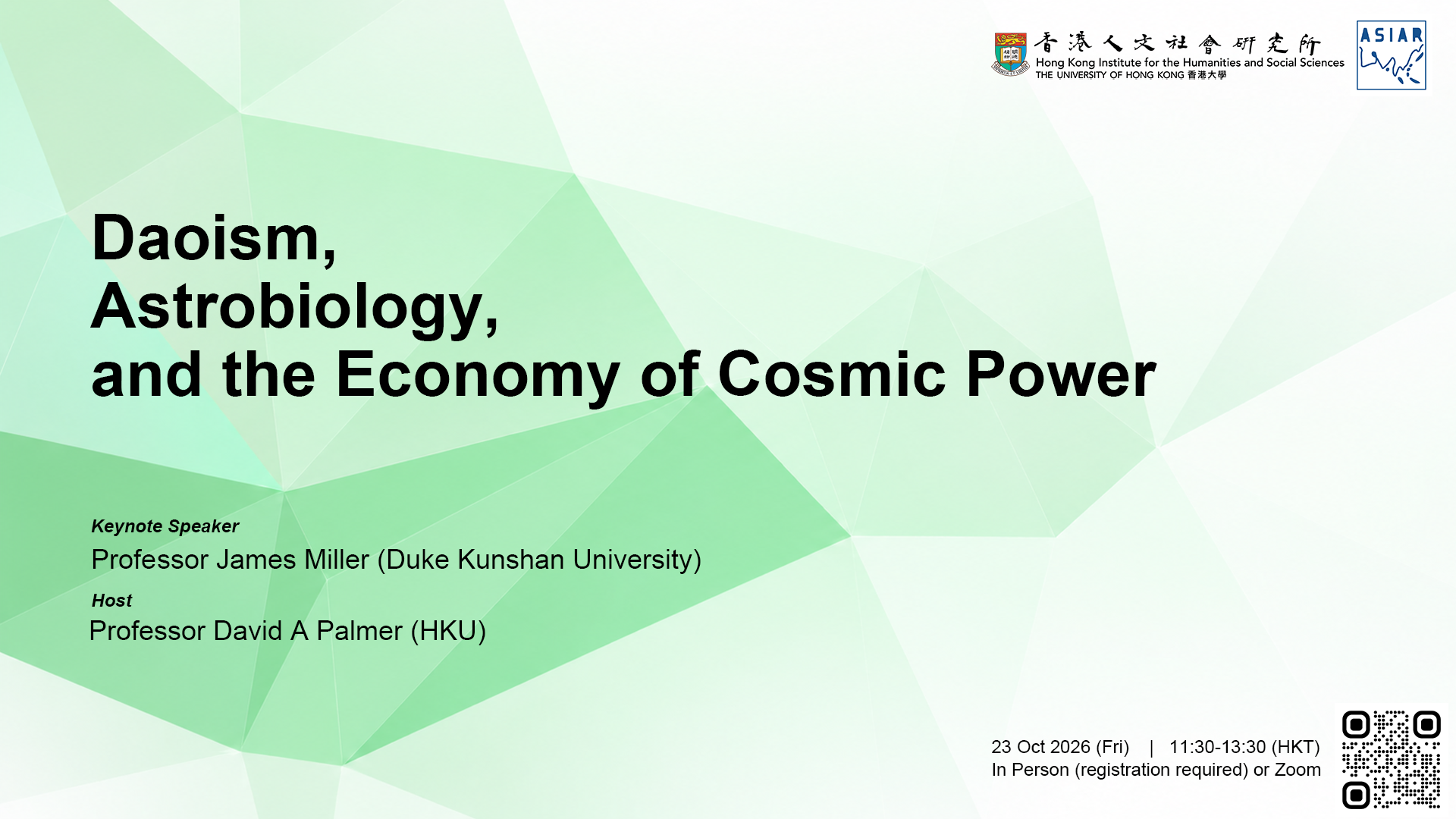
Table of Contents In-person registration (limited places) Join via Zoom Zoom ID: 692 288 2342 Passcode: 654321 Abstract In this talk, Professor Miller interprets medieval Daoism as the mediation of […]
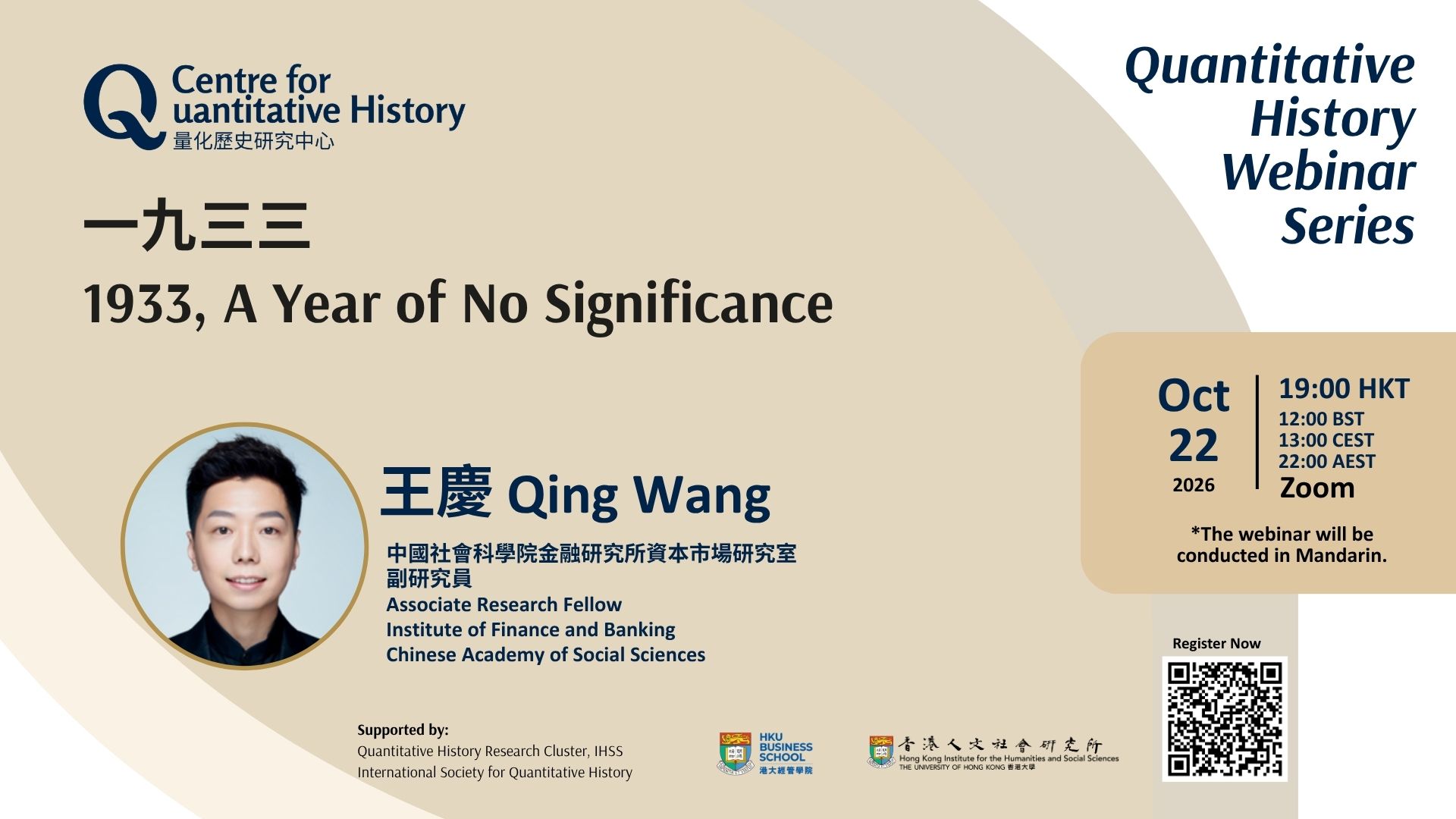
在本次量化歷史網上講座中,王慶將介紹本研究的出發點、主要方法以及主要發現,從存量視角重新審視 1933 年中國的社會經濟格局,為理解中國的現代化進程提供新的經驗證據與分析思路。
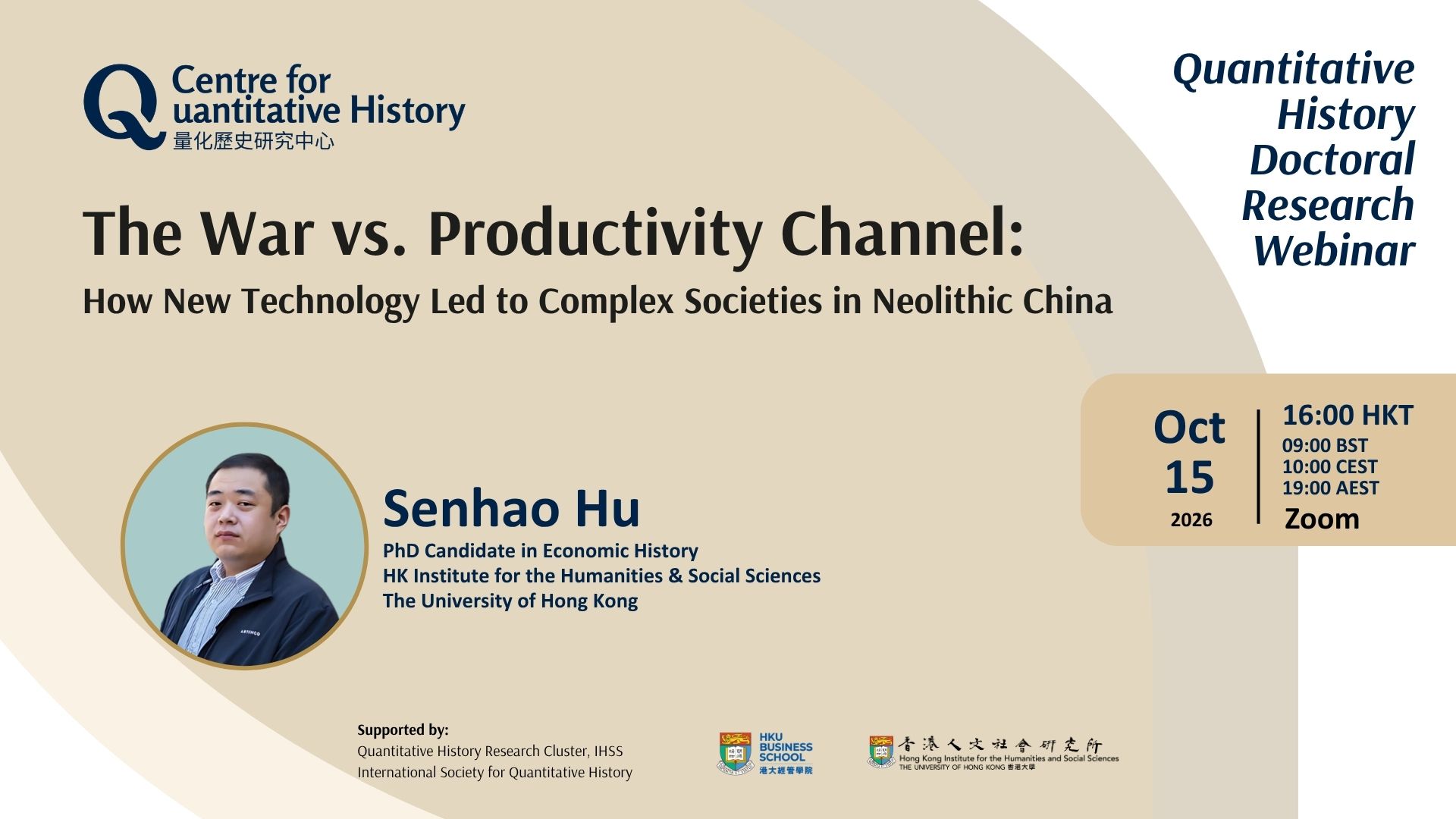
Table of Contents Description In this Quantitative History Webinar, Senhao Hu of Hong Kong Institute for the Humanities and Social Sciences (IHSS) will examine how ground-stone technology contributed to the […]
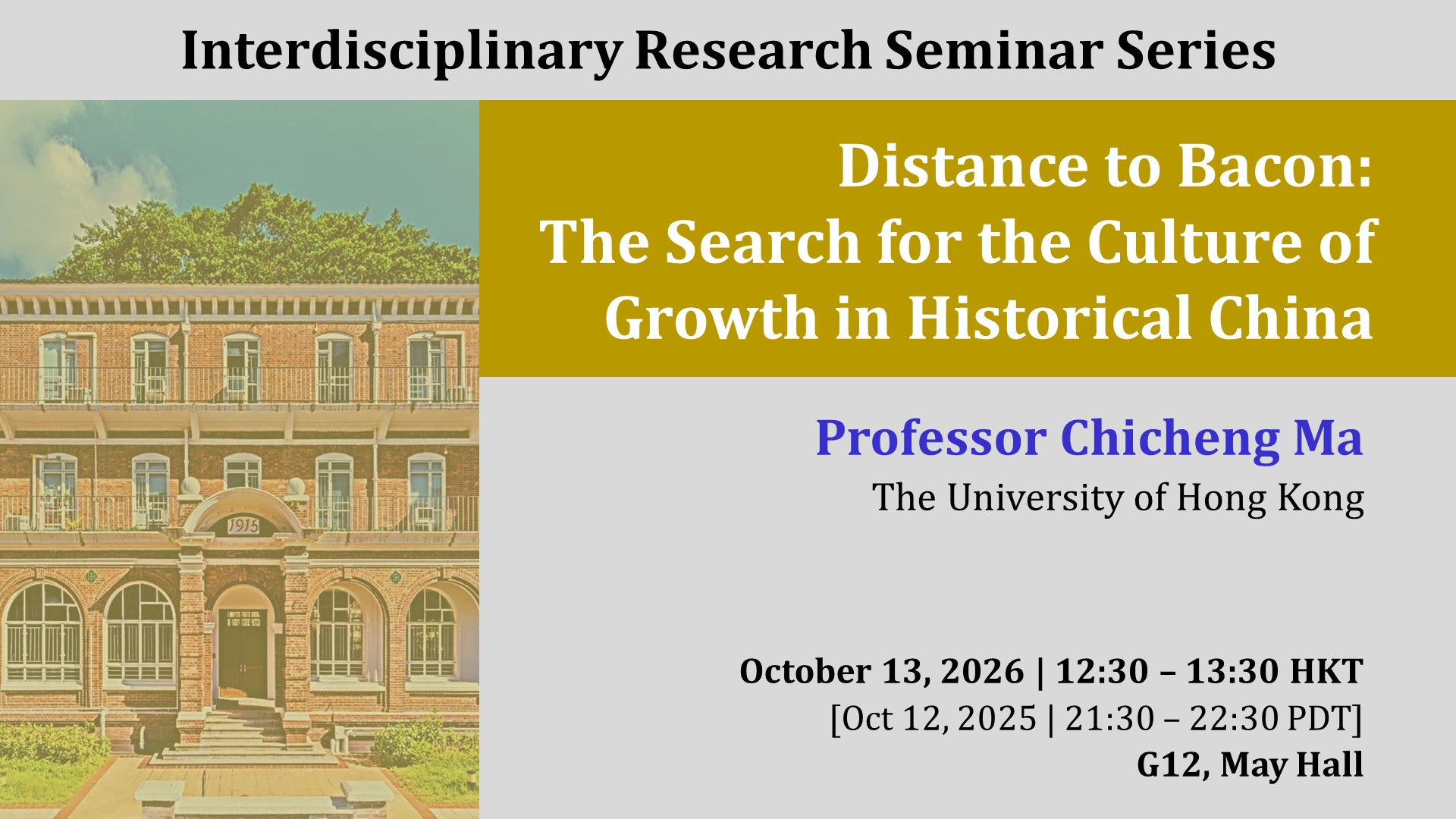
Table of Contents *Please note that the event venue has been changed to Room 201, May Hall. You may follow the signs around May Hall to find the venue. Abstract […]
Table of Contents Abstract Popular history tells the story of how the tea boycott during the American Revolution caused a transition in American taste from tea to coffee, making […]
Table of Contents Abstract We challenge the interpretivist/symbolic view that rain rituals are primarily social performances by analyzing 3,463 rain ritual episodes from late Qing and early Republican journals and […]
Table of Contents Abstract While violence in past societies has traditionally been inferred from weapons, fortifications, and texts, skeletal remains offer direct, long-term evidence of interpersonal conflict. This talk […]
Table of Contents Abstract In early twentieth-century Britain, the Malayan pineapple was the cheapest yet most-consumed canned fruit, largely produced by Chinese enterprises in British Malaya. Existing scholarship treats this […]
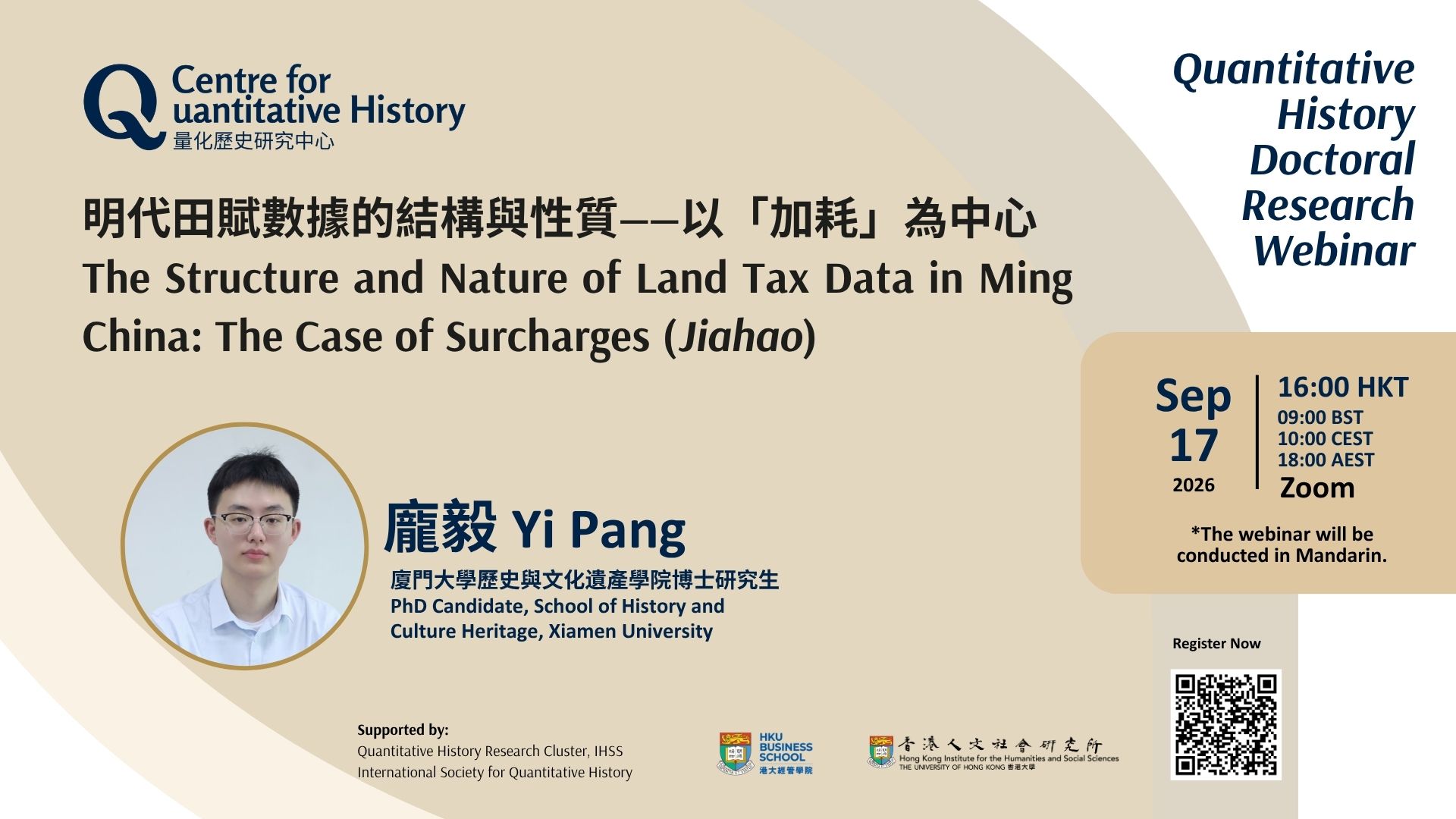
Table of Contents Description 明代田賦數據的結構與性質——以「加耗」為中心 明代田賦數據普遍存在結構性缺失,這在「加耗」這一問題上得以集中體現。 加耗的遺漏,導致明代田賦數據難以反映真實稅制全貌。 這些不完整數據的背後,其實是中央與地方財政會計視角的根本差異,中央政府只關注入庫淨額的「歲入」,而地方政府需負擔包括加耗在內的全部「稅負」。 廈門大學歷史與文化遺產學院博士研究生龐毅通過計算加耗率,更清晰地闡述明代田賦數據的結構與性質,以及恢復地方政府的實際稅額。 The Structure and Nature of Land Tax Data in Ming China: The Case of Surcharges (Jiahao) Ming land tax data […]
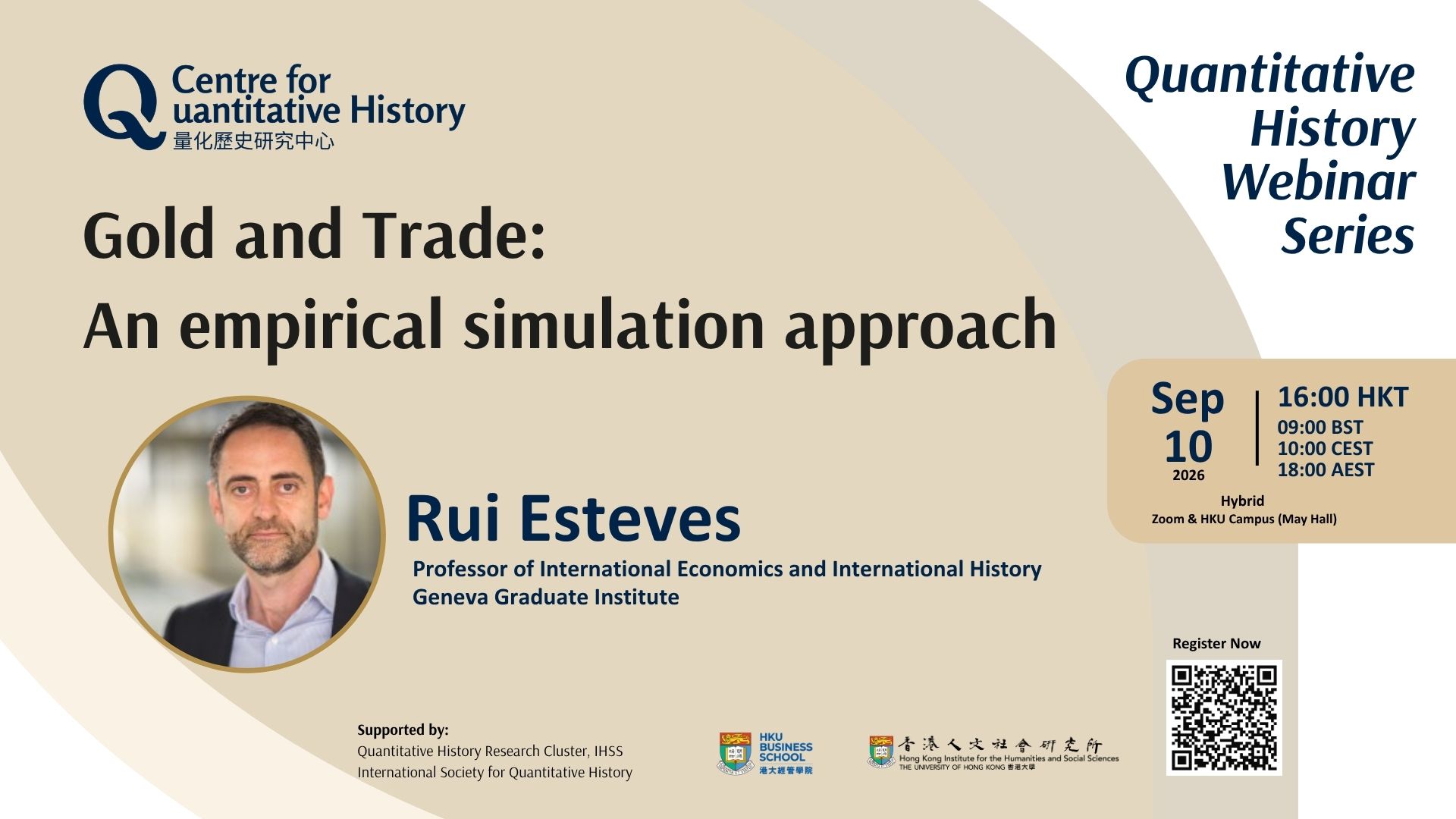
Table of Contents Description Rui Esteves of Geneva Graduate Institute and his co-authors examine the rise of the classical gold standard from the 1860s to World War I through […]
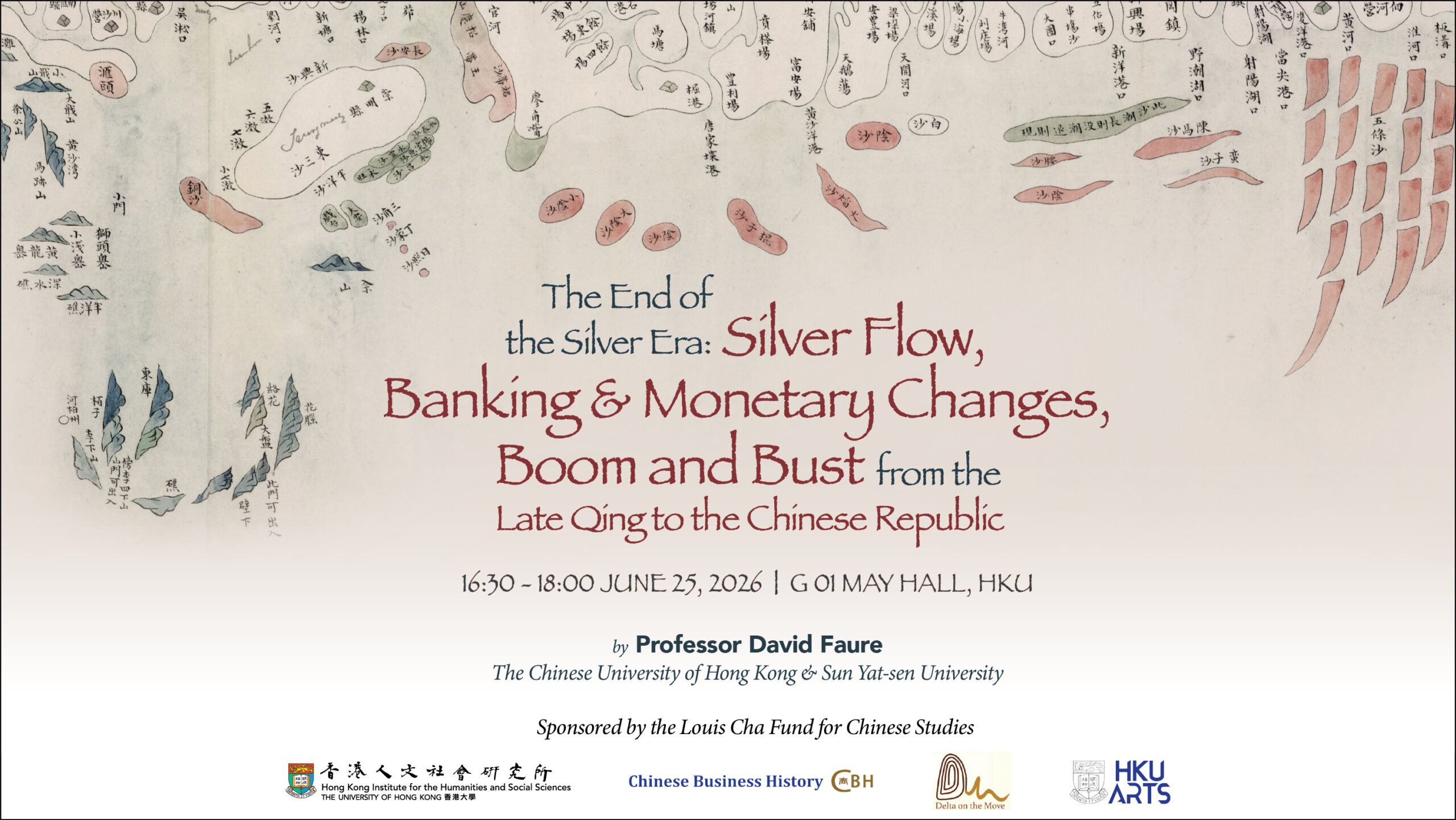
Table of Contents Abstract Historians know very little about the movements of silver within China for all of the Qing dynasty and yet some understanding of them is crucial […]
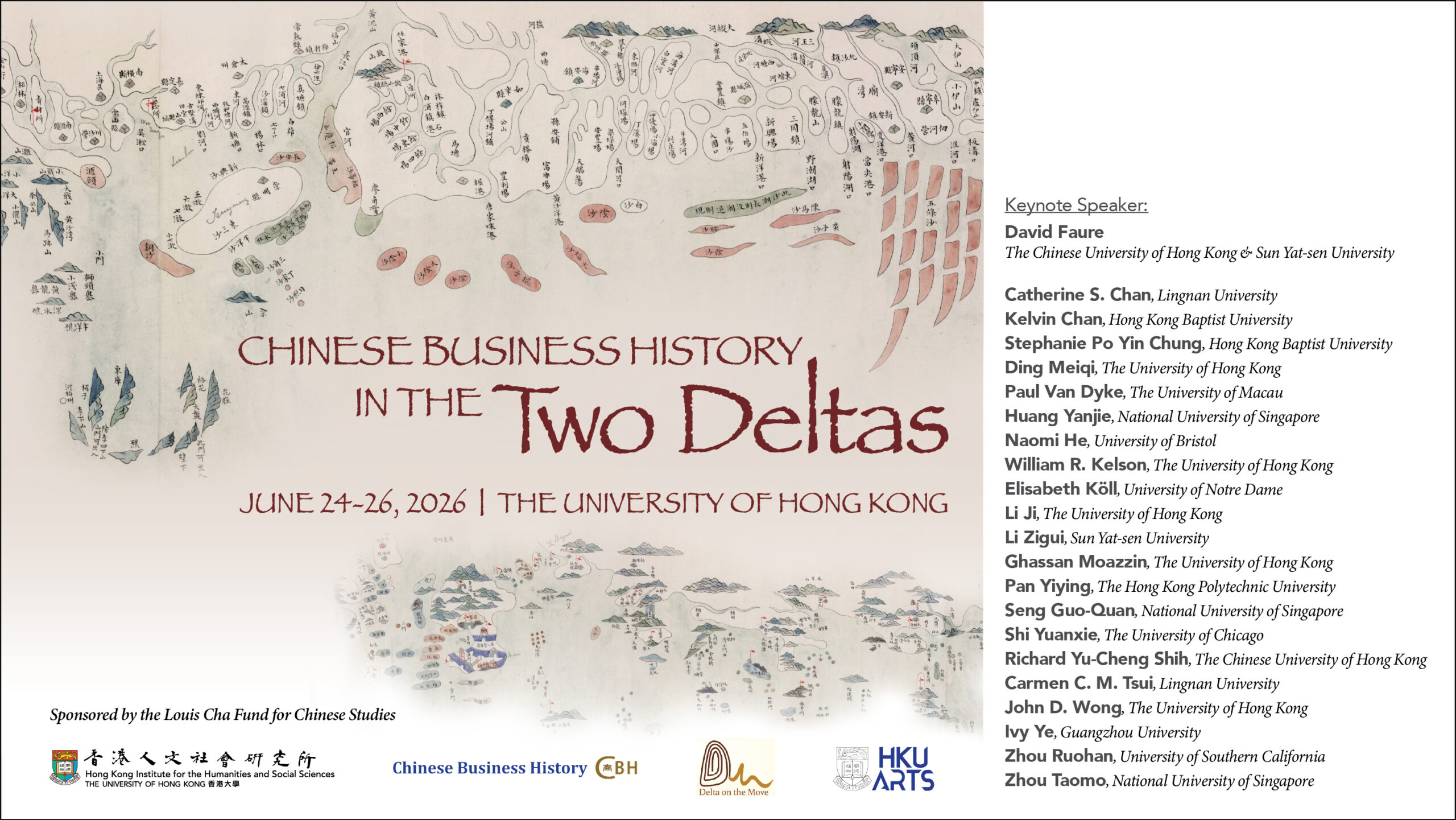
Conference Program (PDF version with full abstracts) Chinese Business History in the Two Deltas 24 June 1.30pm-2pm: Registration Location: Run Run Shaw Tower, Centennial Campus 2pm: Welcome Location: Run Run […]
Table of Contents Description Maanik Nath of Utrecht University and his co-author investigate the impact of public investments on agricultural incomes across colonial India. Using new data in a […]
Event Highlights What can stone tools tell us about the rise of complex societies? Did iron technology strengthen states through farming, warfare or both? How might bronze inscriptions, burial goods, […]
Description In this Quantitative History hybrid lecture, Li Yang of the Leibniz Centre for European Economic Research (ZEW) will present new evidence on the divergence in economic growth between China […]
Description During the first millennium of imperial history, East Asian empires expanded into the semi-arid zones of Inner Asia and established agricultural settlements to sustain frontier garrisons. Under the tuntian […]
ABSTRACT Economic planning in socialist China required the local planners to gather comprehensive information within their jurisdiction on one hand and implement centrally issued plan on the other. The dual […]
Description While good ideas can emerge anywhere, it takes a community to develop and disseminate them. In this Quantitative History webinar, David de la Croix of UCLouvain will reconstruct how […]
Description Plague was the most lethal disease in early modern England. However, there is limited large-scale quantitative evidence about the factors that allowed plague to spread between settlements. In this […]