- Language: English
- Lecture Hall, G/F, May Hall, The University of Hong Kong
- April 17, 2018 4:30 pm – 6:00 pm
- (Tel) (852) 3917-5772
- Enquiry: ihss@hku.hk
ABSTRACT
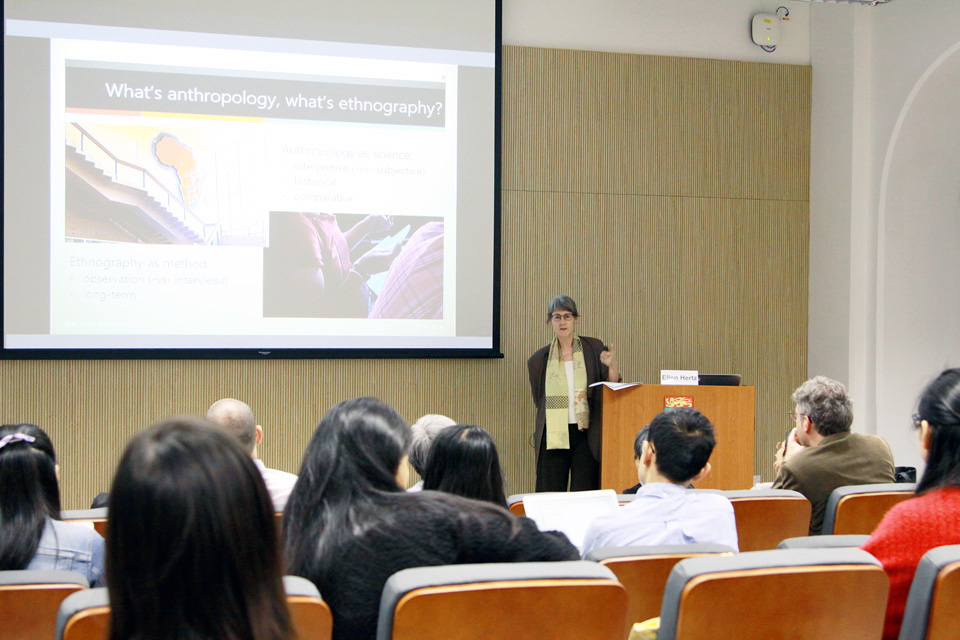
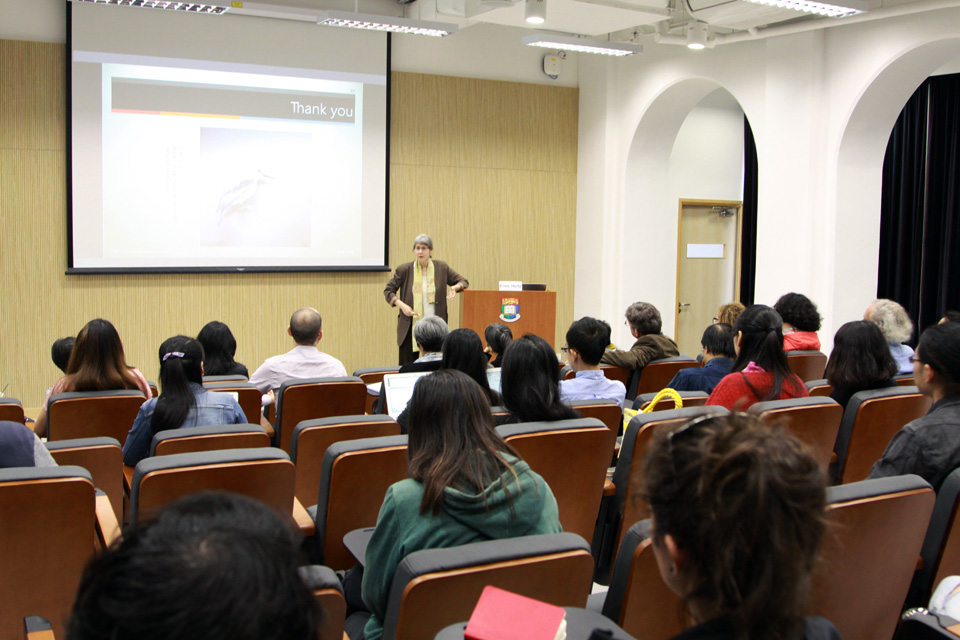
The Zambian Copperbelt is iconic territory, both for the extractive enterprises that have been active in this area for the past century, and for anthropologists interested in tracking the social, economic and cultural transformations wrought by capitalism’s incursions into the everyday lives of African citizens. This lecture sets out to track these parallel developments, identifying four key transformations that have affected the organization of economic and social life in this area, and led to the forging of innovative concepts and methods in anthropological theory.
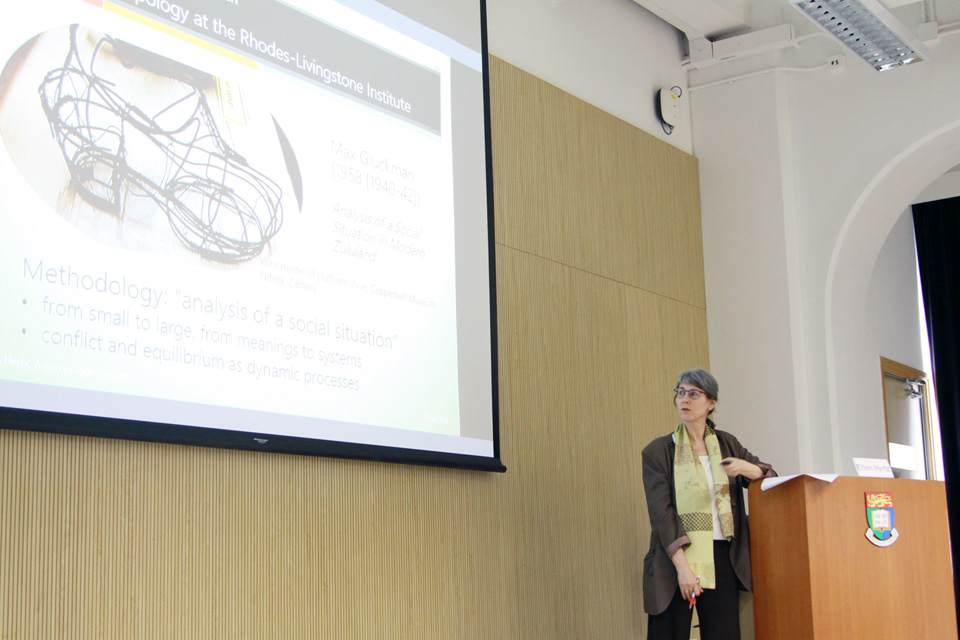
I begin by examining the new urban networks and cultural practices invented by Zambian workers who left their villages to work in the Copperbelt during colonial rule, a phenomenon studied by the Rhodes-Livingston Institute and the Department of Social Anthropology at the University of Manchester in the ‘40s, ‘50s and ‘60s.
With independence in 1964, Zambians seems poised to recuperate the benefits of this profitable industry for themselves. However, external and internal forces soon dashed these hopes. The ‘80s and ‘90s represented a period of “underproduction” and low rates of return for copper, creating a cultural configuration analyzed by anthropologist James Ferguson as an exclusion from the ever-elusive modernist project.
During the ‘90s Zambia, like many nominally socialist countries in Africa, abandoned much of its nationalist economic focus and, encouraged by international donors, opened its market to foreign direct investment. This process has been studied ethnographically by sociologist Ching Kwan Lee, who tracks the varying forms of capital investment, enterprise organization and labor contracting employed by Chinese, Japanese and Canadian mining companies over the ‘90s.
Finally, the turn of the century has seen the increasing “financialization” of investment in mining, with the rise of secondary markets for copper organized by commodity traders based in London, Geneva and Shanghai. Drawing on on-going collaborative research of which I am a part, I will examine how financialization has reconfigured for a fourth time the activities, hopes and life possibilities of Zambian miners, and brought them into every more entangled encounters with global capitalism.
The systematic association of the four distinct historical developments with paradigm shifts in anthropological theory demonstrates the value of fine-grained, ethnographic accounts of social transformation that avoid the pitfalls of simplistic dichotomies such as “tradition vs. modernity” or “urban vs. rural” or “inclusion” vs. “exclusion”. Anthropology thus allows us to avoid deterministic accounts of social change while nonetheless acknowledging Marx’s famous pronouncement : “Men make their own history … but under circumstances existing already, given and transmitted from the past”.
ABOUT THE SPEAKER
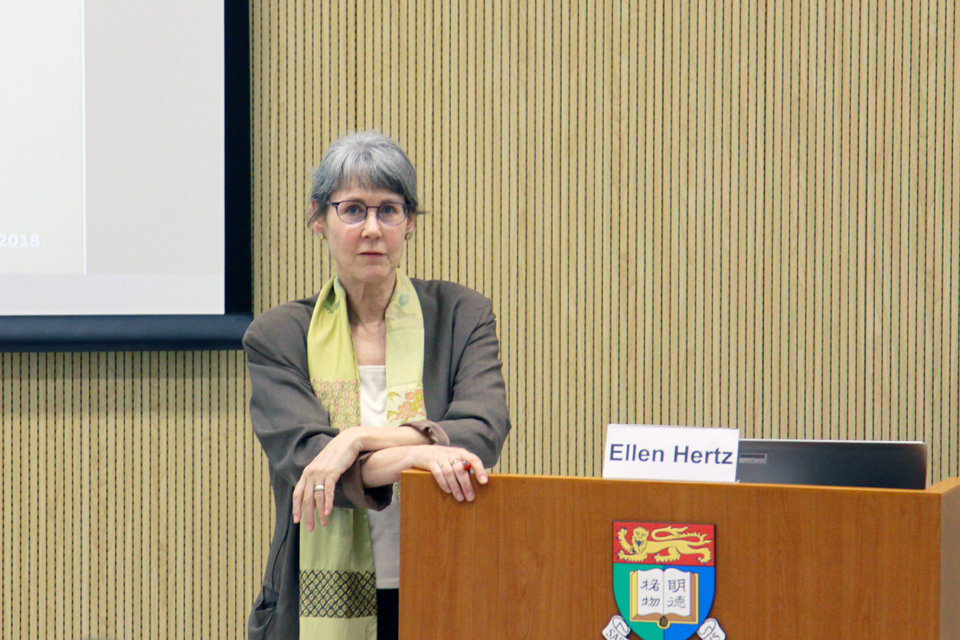
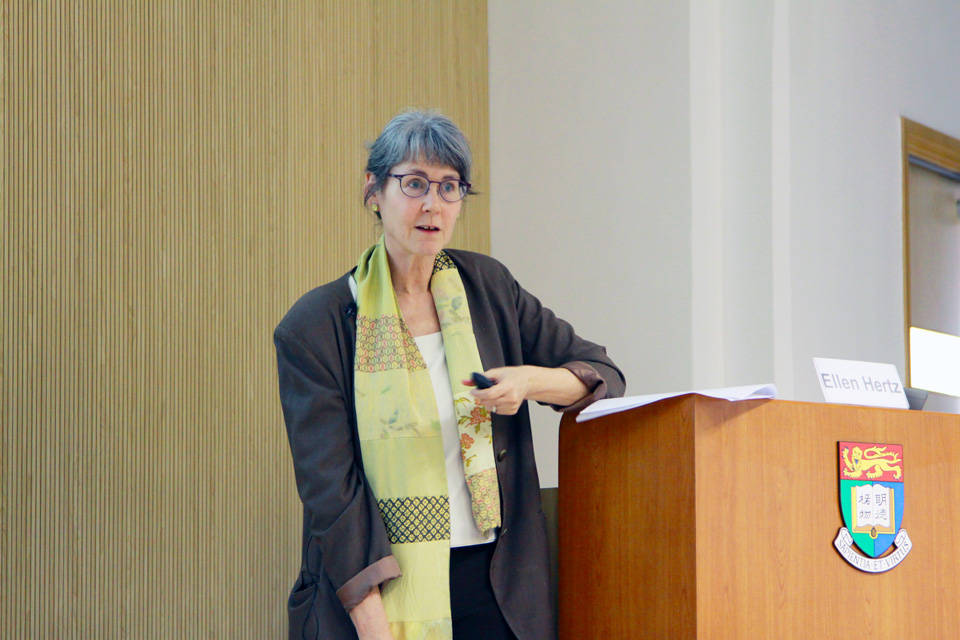
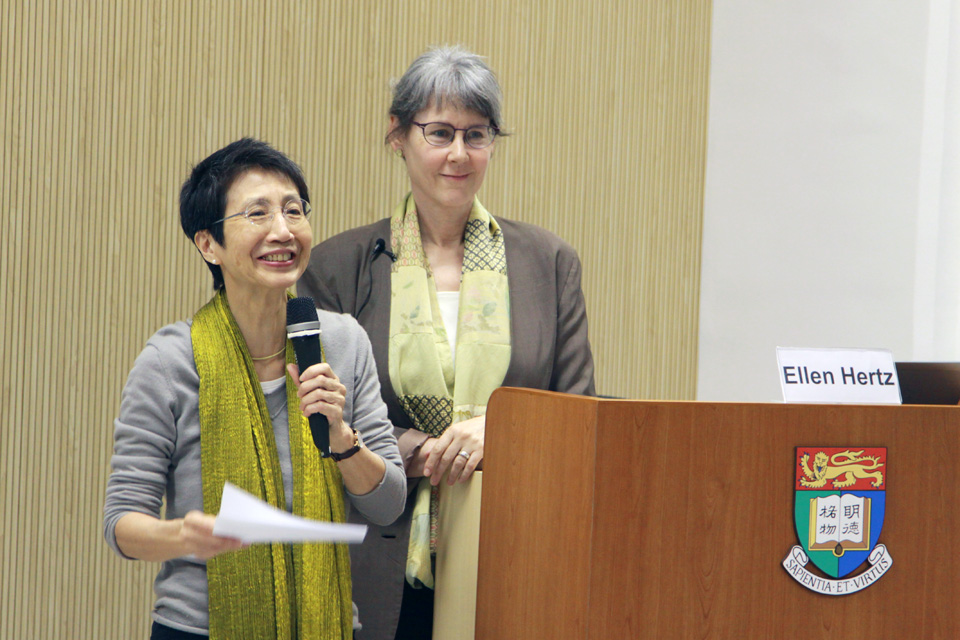
Ellen Hertz is professor of anthropology at the University of Neuchâtel. Her background in Chinese studies, law and anthropology has translated into a long-standing interest in the complex and ambiguous mechanisms of bureaucratization and marketization that characterize contemporary modernity, and on the place of gender in these configurations. She has published on diverse topics (financial markets; international organizations; intangible cultural heritage; sex work; corporate social responsibility and environmental anthropology) and maintains an active interest in theoretical developments in the social sciences, with an emphasis on gender, citizenship and normative regimes.
ABOUT THE SPEAKER