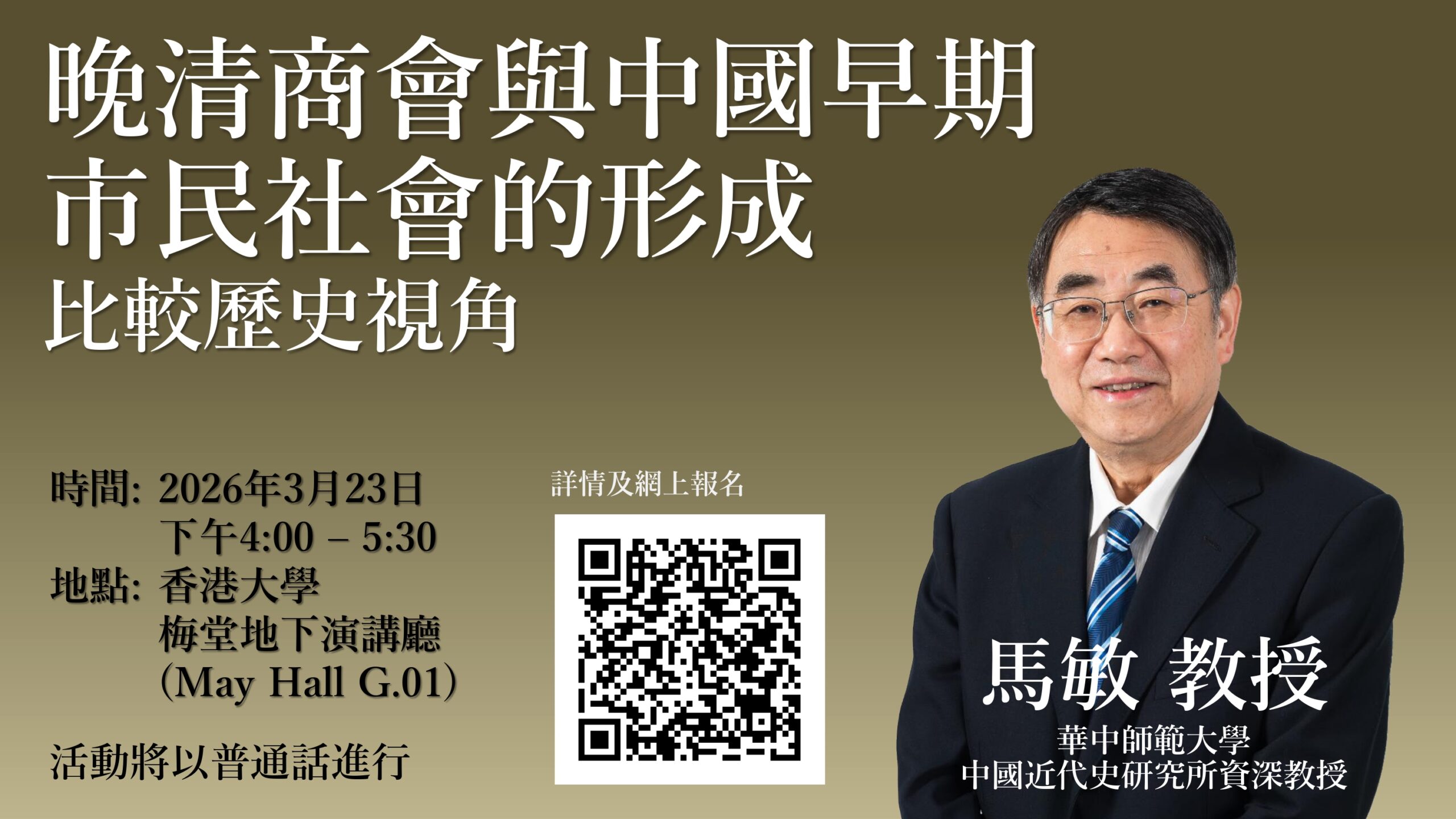
-
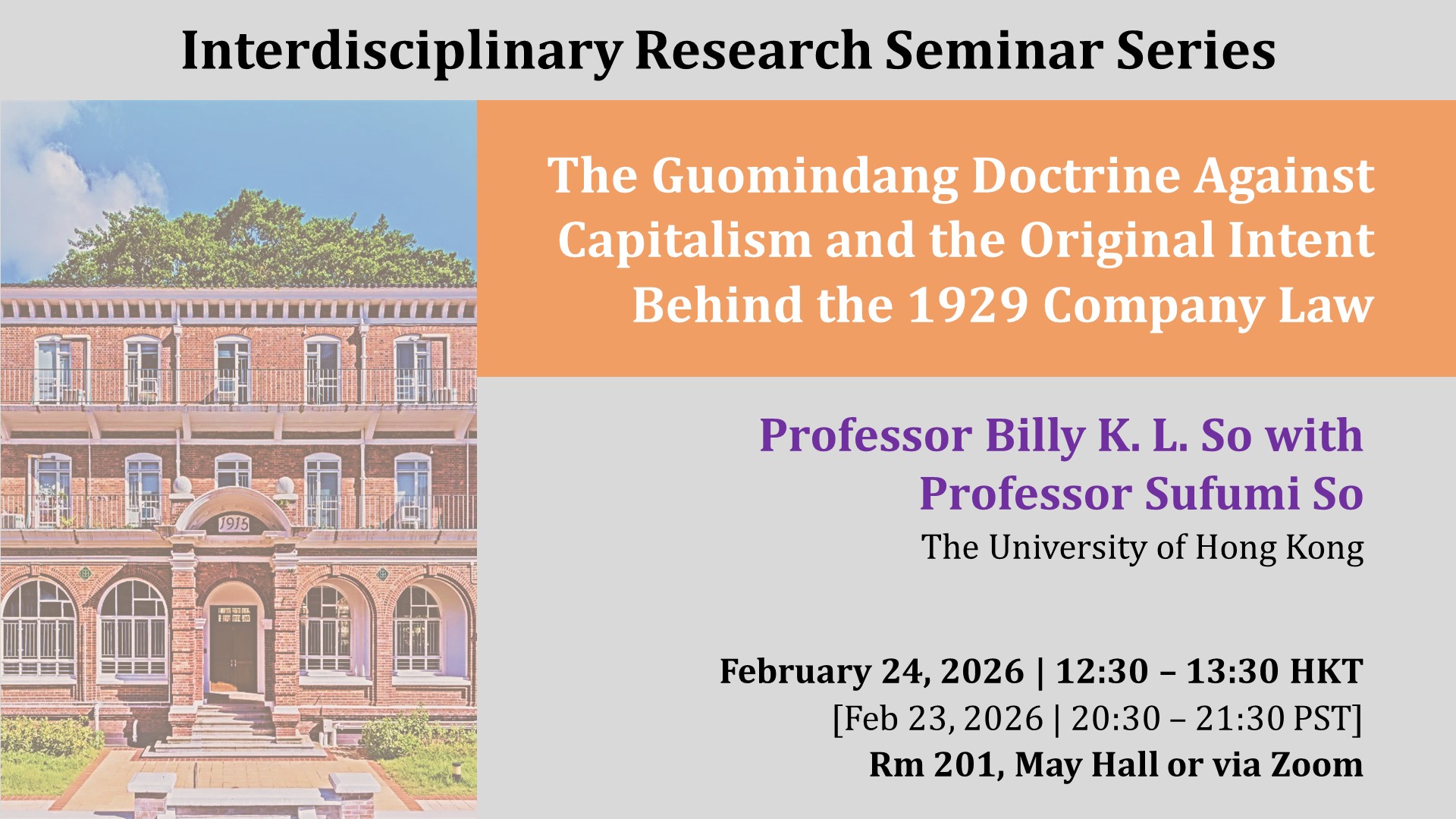
One of the two doctrinal pillars of Sun Yat-sen’s Principal of the People’s Livelihood was to “contain the capital,” which was never clearly defined and invited conflicting readings over the years.

|
M
Mon
|
T
Tue
|
W
Wed
|
T
Thu
|
F
Fri
|
S
Sat
|
S
Sun
|
|---|---|---|---|---|---|---|
|
0 events,
|
1 event,
-
One of the two doctrinal pillars of Sun Yat-sen’s Principal of the People’s Livelihood was to “contain the capital,” which was never clearly defined and invited conflicting readings over the years. |
0 events,
|
2 events,
-
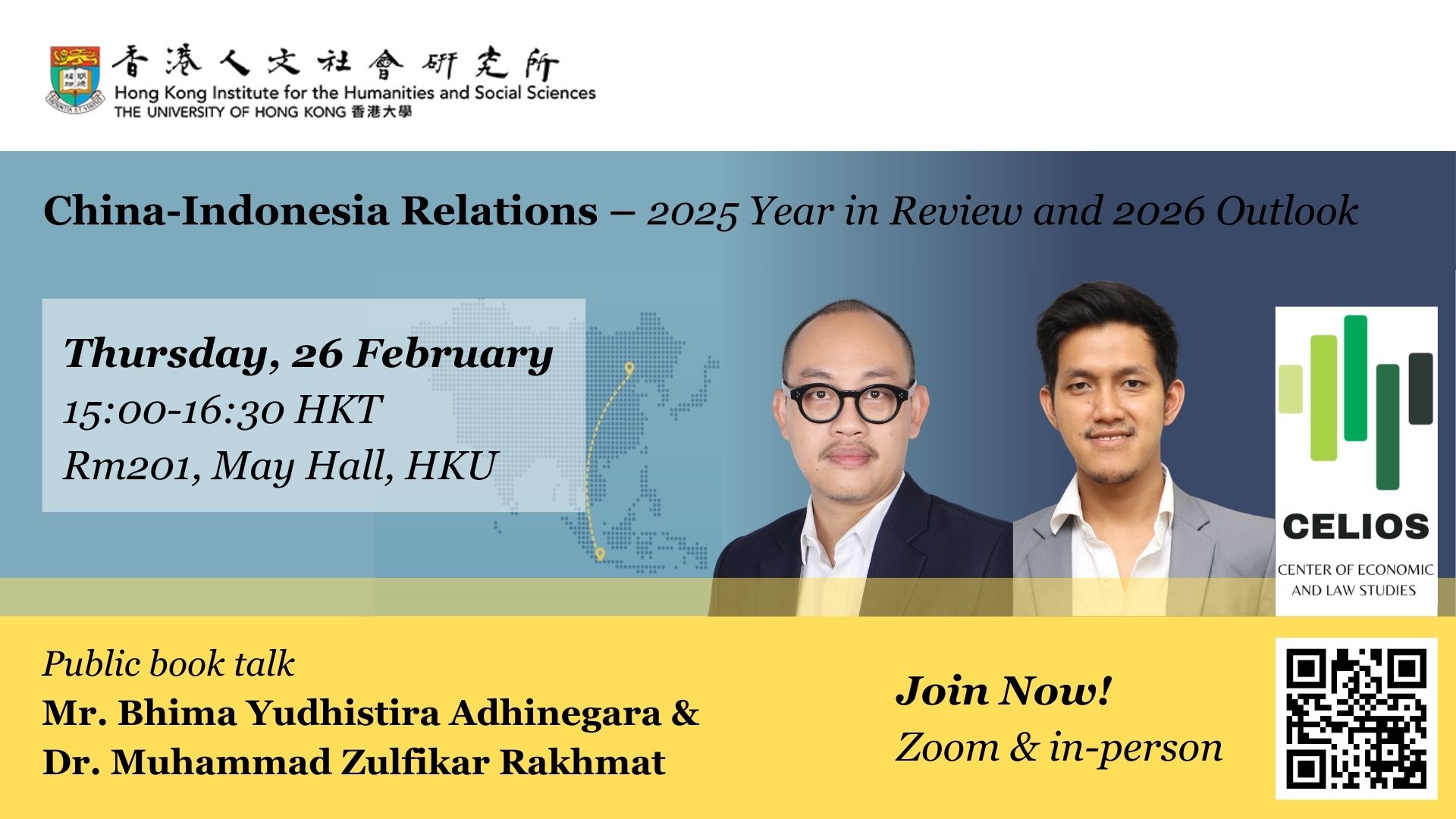
ABSTRACTThis book examines China–Indonesia relations in 2025, marking 75 years of diplomatic ties amid heightened geopolitical uncertainty. Cooperation across trade, investment, infrastructure, technology—including artificial intelligence (AI)—and defense expanded, even as Indonesia faced challenges in governance and strategic positioning. Indonesia joining BRICS and US tariffs set the tone for the year, shaping expectations around Global South […]
-
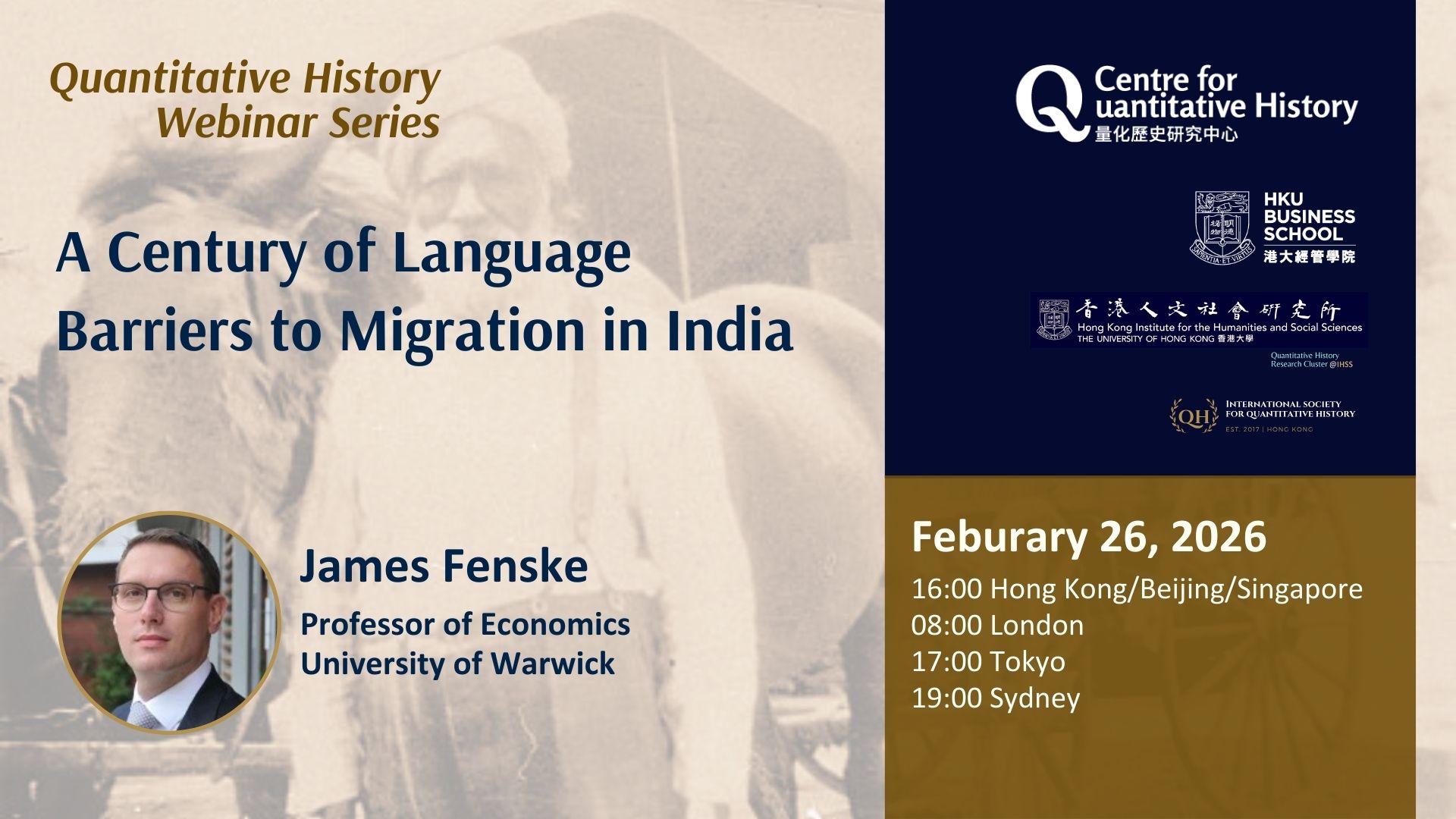
DESCRIPTION Combining detailed data on language and migration across colonial Indian districts in 1901 with a gravity model, Professor James Fenske of the University of Warwick and his co-authors find that origin and destination districts separated by more dissimilar languages saw less migration. They control for the physical distance between origin-destination pairs, several measures of […] |
0 events,
|
0 events,
|
0 events,
|
|
0 events,
|
0 events,
|
0 events,
|
0 events,
|
0 events,
|
0 events,
|
0 events,
|
|
0 events,
|
0 events,
|
0 events,
|
0 events,
|
1 event,
-
ABSTRACTForming part of a book project that explores how American capital participated in China’s postwar economic reconstruction, this talk traces three different channels through which Chinese businessmen sought to bring foreign investment into postwar China. The International Business Conference in November 1944 first alerted the Chinese business community to the emerging possibility of mobilizing American […] |
0 events,
|
0 events,
|
|
0 events,
|
0 events,
|
0 events,
|
1 event,
-
DESCRIPTION Using a genealogical database of 447,000 people in England 1600-2025, as well as 1.7 million marriage records 1837-2021, Professor Gregory Clark of the University of Southern Denmark and his co-author estimate assortment by social status in marriage. They find the underlying correlation of status between groom and bride in England is remarkably high at […] |
0 events,
|
0 events,
|
0 events,
|
|
1 event,
-
|
1 event,
-
ABSTRACTAcross cultures and centuries, emotions have been expressed, encoded, and preserved in both texts and images. Recent advances in affective computing now offer new opportunities to study these emotional traces at scale. This talk examines how computational approaches to emotion—from early dictionary- and rule-based techniques to contemporary deep learning and large language models—have expanded the […] |
0 events,
|
1 event,
-
ABSTRACTFamily offices are not a one-size-fits-all solution. Their structure and strategy are deeply influenced by two powerful forces: the generation of wealth they serve and the geographic culture they emerge from. As Asian wealth matures and European dynasties continue, a critical question arises: How do the investment strategies and governance models of these families diverge, […] |
0 events,
|
0 events,
|
0 events,
|
|
1 event,
-
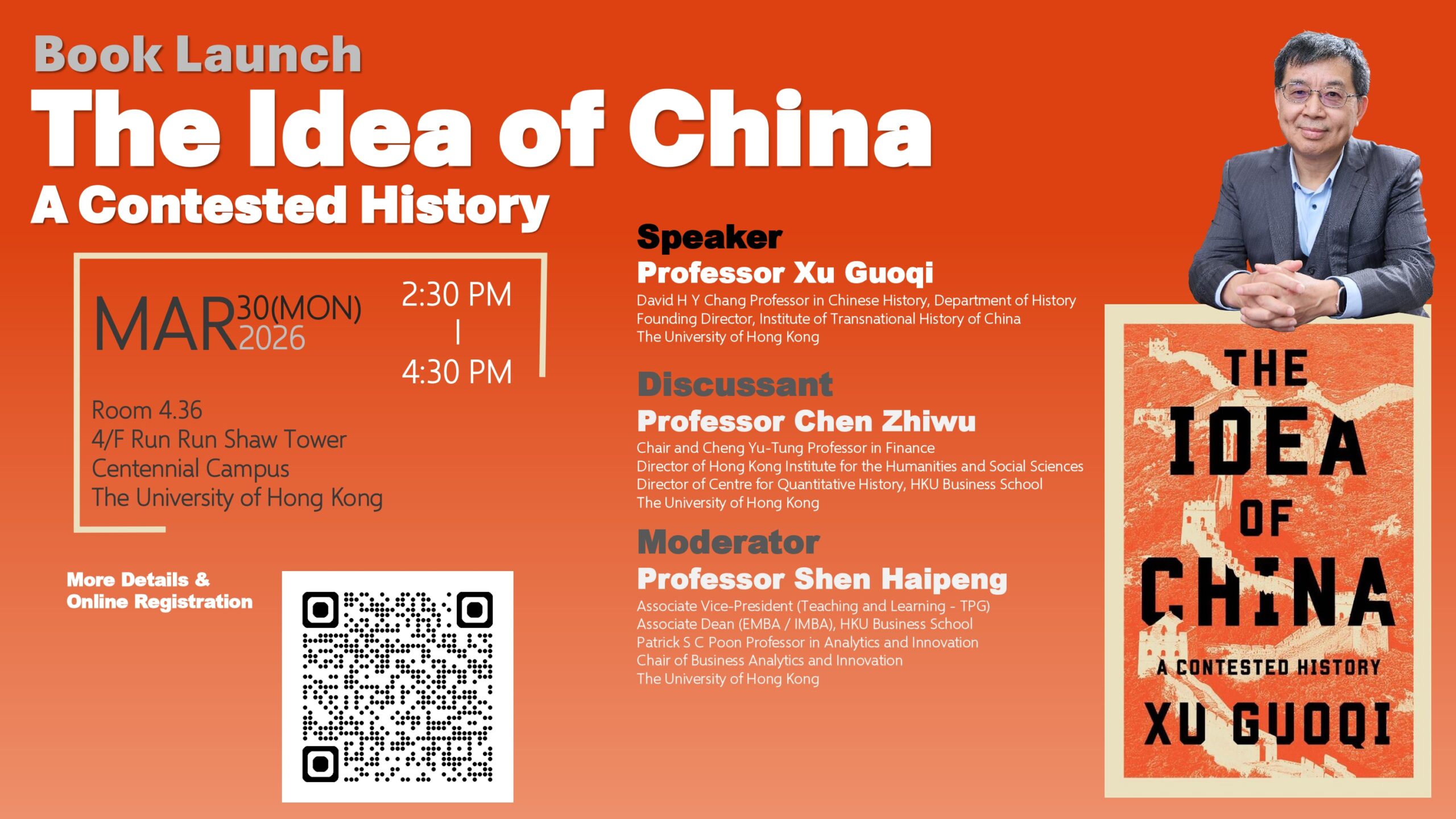
BRIEF INTRODUCTIONAn acclaimed historian’s bold response to two simple, yet vexed, questions: What counts as China, and who counts as Chinese?China became a capitalist superpower by investing in globalization. Now that it has established its credentials—and emerged as a major US competitor—its leaders are looking within, focused on suppressing dissent and fostering cohesion. The result […] |
1 event,
-
ABSTRACTThis study examines how stone-grinding technology accelerated the growth of complex societies in Neolithic China (8000–2000 BCE) primarily through the war channel rather than the productivity channel. Utilizing data from the China Archaeological Database (CADB), where large settlements (≥10 hectares) indicate complex societies and stone weapon grave goods proxy stone grinding’s battlefield applications, we find […] |
0 events,
|
1 event,
-
DESCRIPTION In this Quantitative History Webinar, Patrick Fitzsimmons of the University of Pennsylvania will present a theory of how lowering the cost of doing violence around 1200 BCE contributed to political fragmentation across the Eastern Mediterranean. He points out that bronze’s reliance on scarce tin concentrated the means of violence among elites, supporting large, centralized empires, while the […] |
0 events,
|
0 events,
|
0 events,
|