
How did wealth and power become concentrated in some societies while others remained less developed? Did iron technology inherently strengthen states, or was its impact primarily determined by who could access it? Can graves, house floors, and settlement patterns be analyzed to produce meaningful insights?
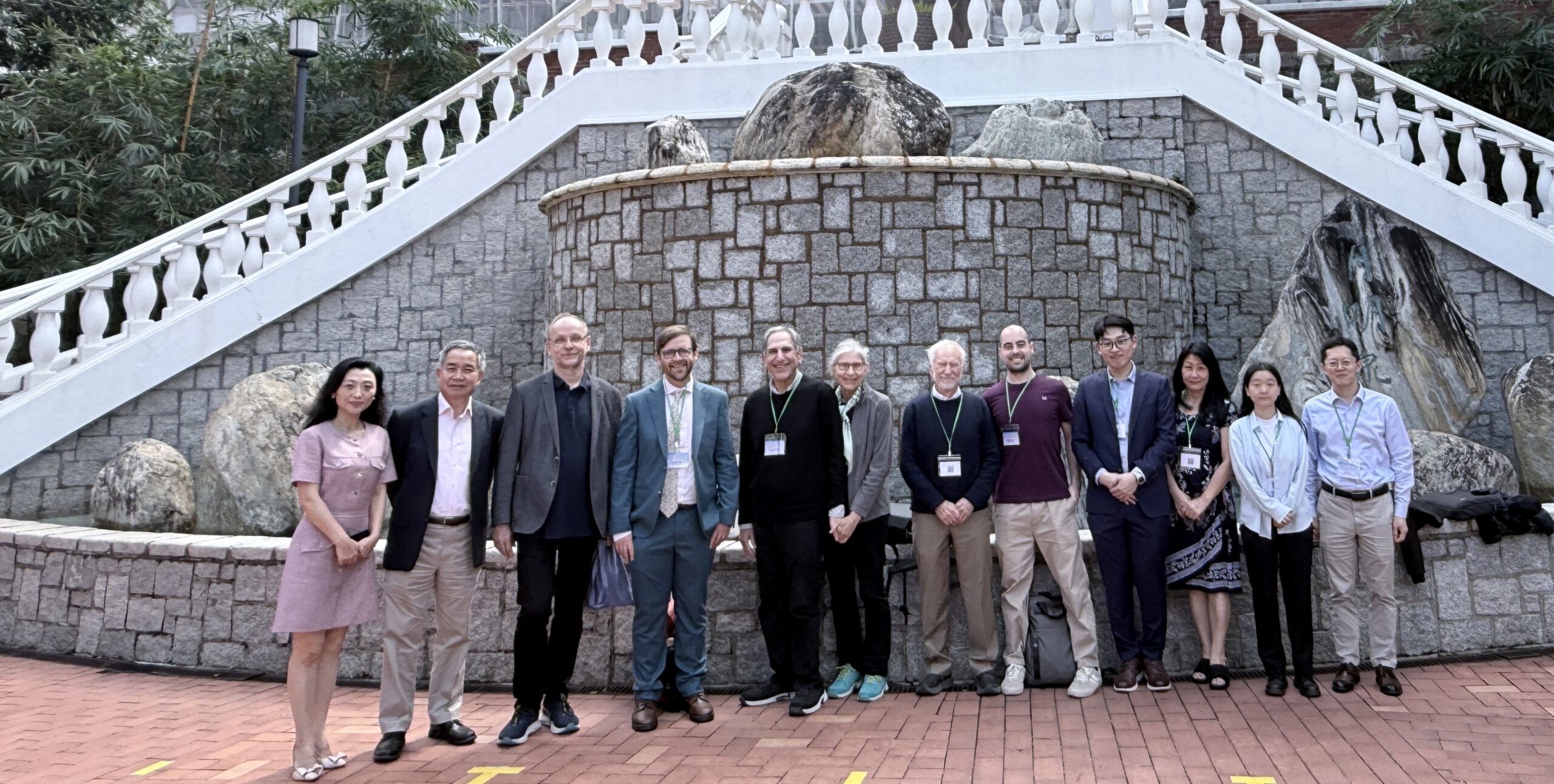
These thought-provoking questions framed the Hong Kong Workshop on Early Development History, held at May Hall, The University of Hong Kong, on November 12–13, 2026. Co-organized by the Hong Kong Institute for the Humanities and Social Sciences (IHSS) and the Centre for Quantitative History (CQH), the workshop brought together archaeologists, historians, and economists from Asia, Europe, and North America. Over two days, ten papers were presented across three sessions, culminating in a closed-door working discussion. The event received enthusiastic responses from participants not only within the University but also from beyond Hong Kong, reflecting its broad international engagement.
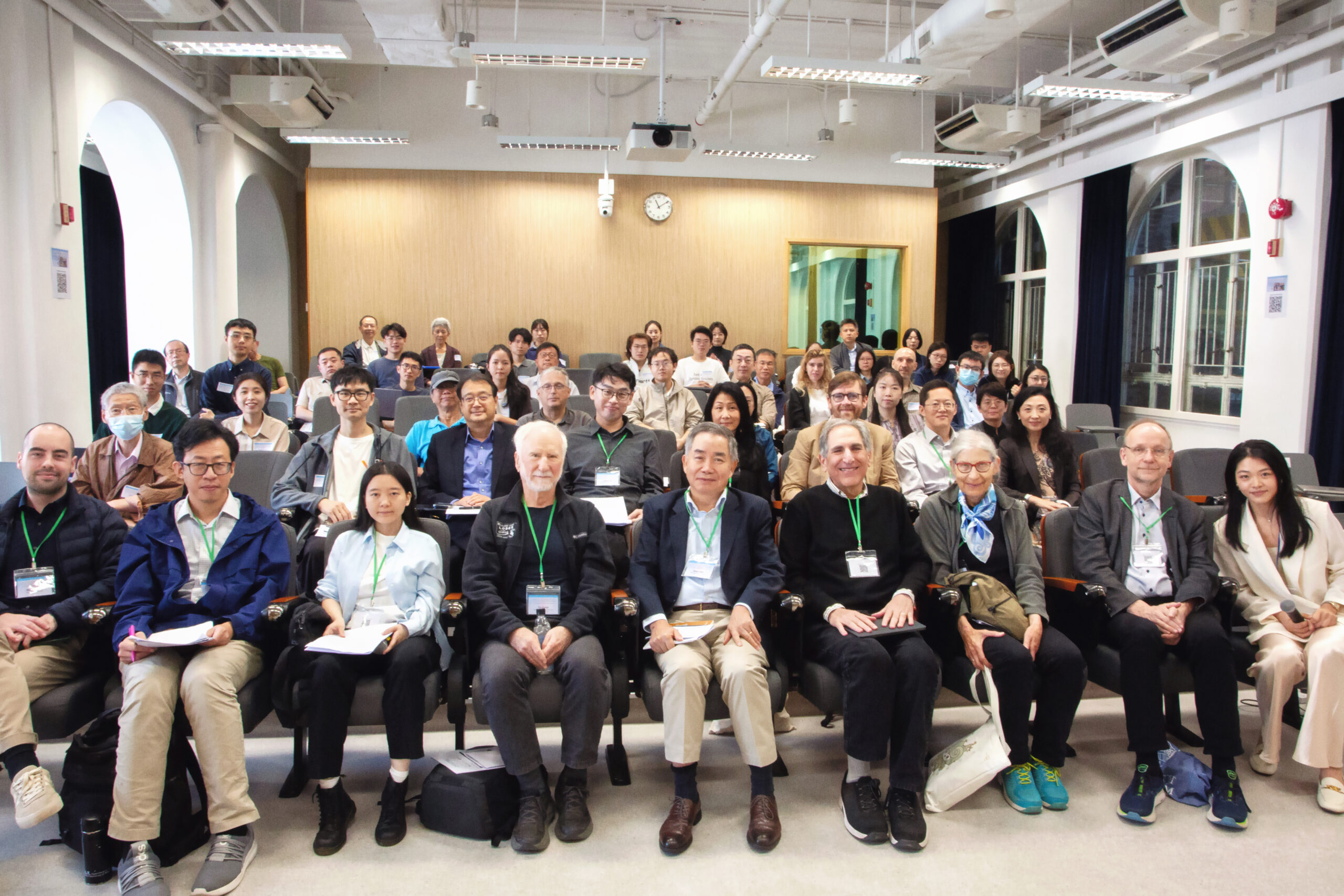
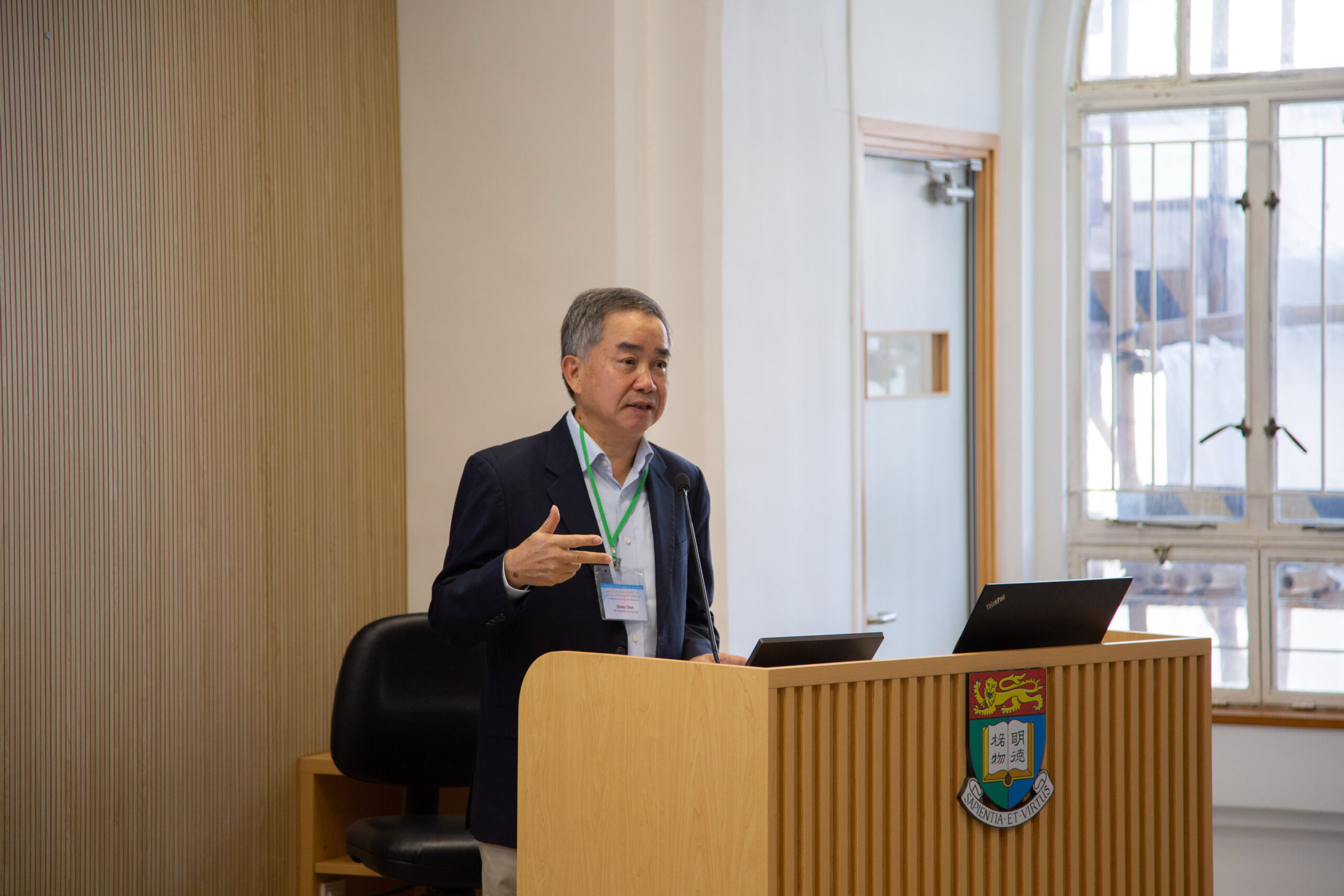
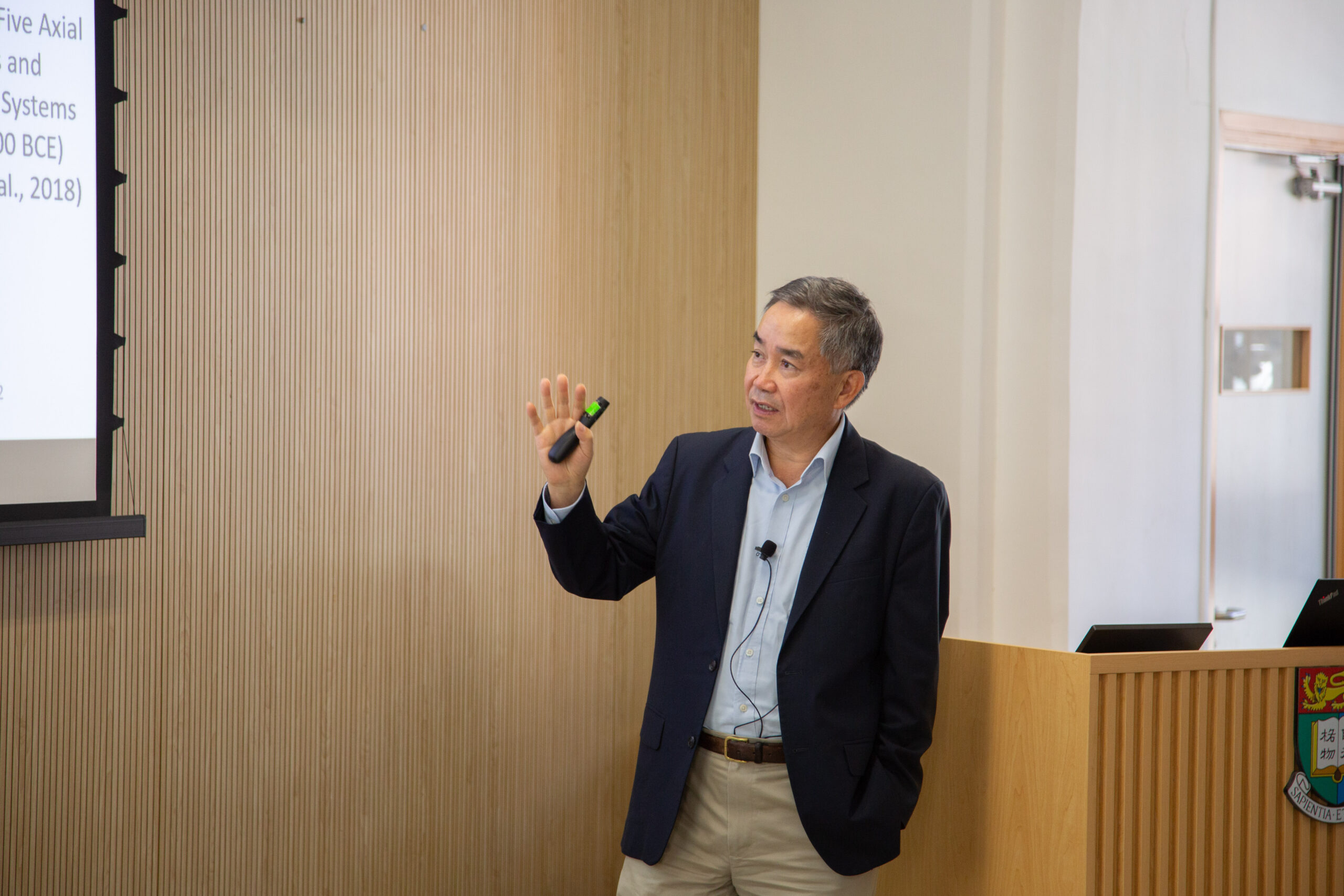
Professor Zhiwu Chen, Director of both IHSS and CQH, welcomed the speakers and guests who traveled from afar to Hong Kong, and outlined the agenda for the two days. The workshop assembled a deliberately diverse group of scholars from leading institutions such as Washington State University, The Field Museum, University of Tübingen, University of York, UC Berkeley, HKU, CUHK, and many more. Topics ranged from ancient Chinese archaeology and gender dynamics across Eurasia to settlement patterns in Korea and the broader relationship between growth and inequality.
SESSION 1
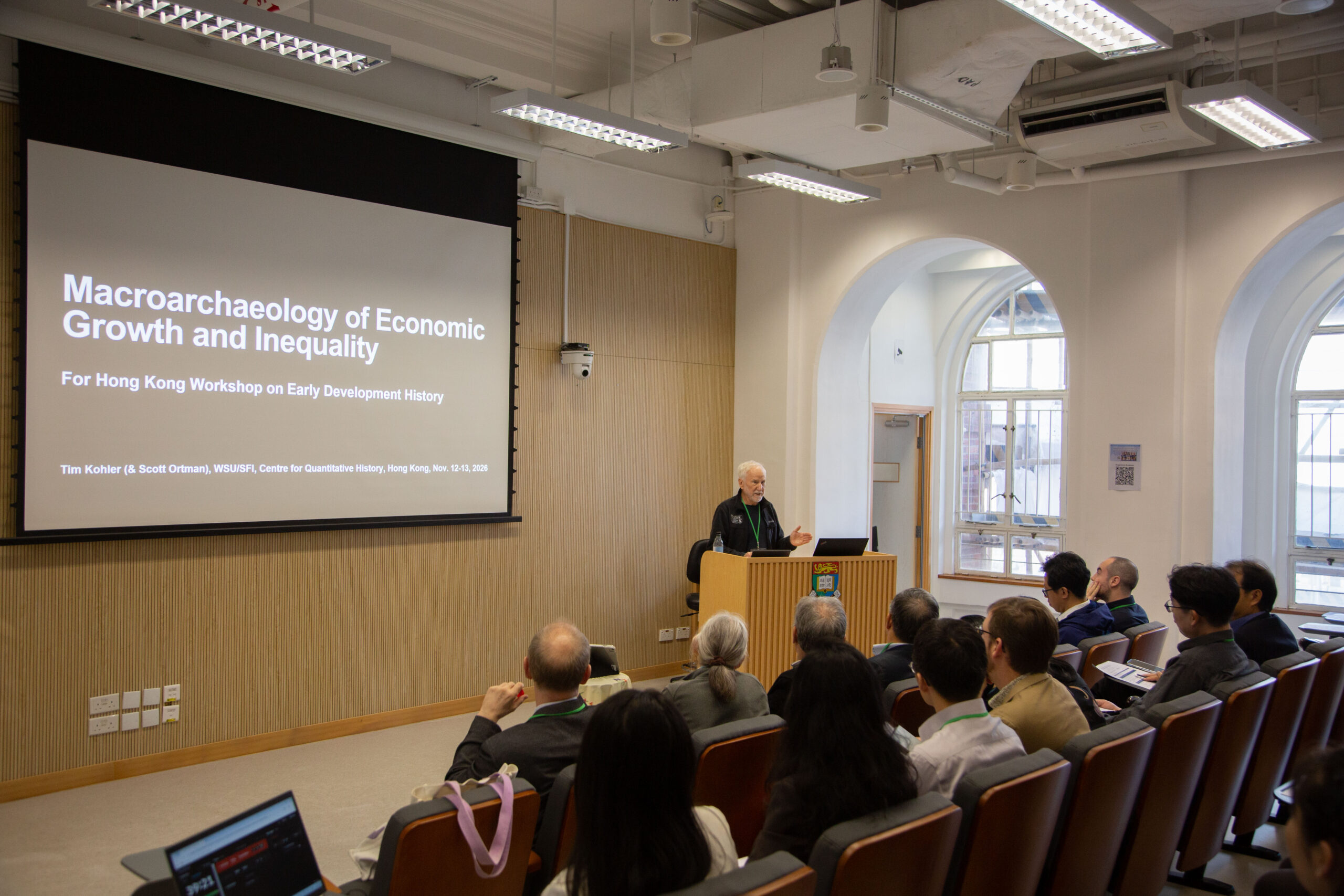
The first session focused on growth and inequality on a global scale. Professor Tim Kohler of Washington State University and Santa Fe Institute compared economic growth and inequality across twelve world regions. His findings revealed that the relationship between productivity and inequality is not uniform: in East Asia and southeastern North America, higher productivity correlated with lower inequality, whereas in the southern Andes, central Mexico, and southeastern Europe, both increased together.
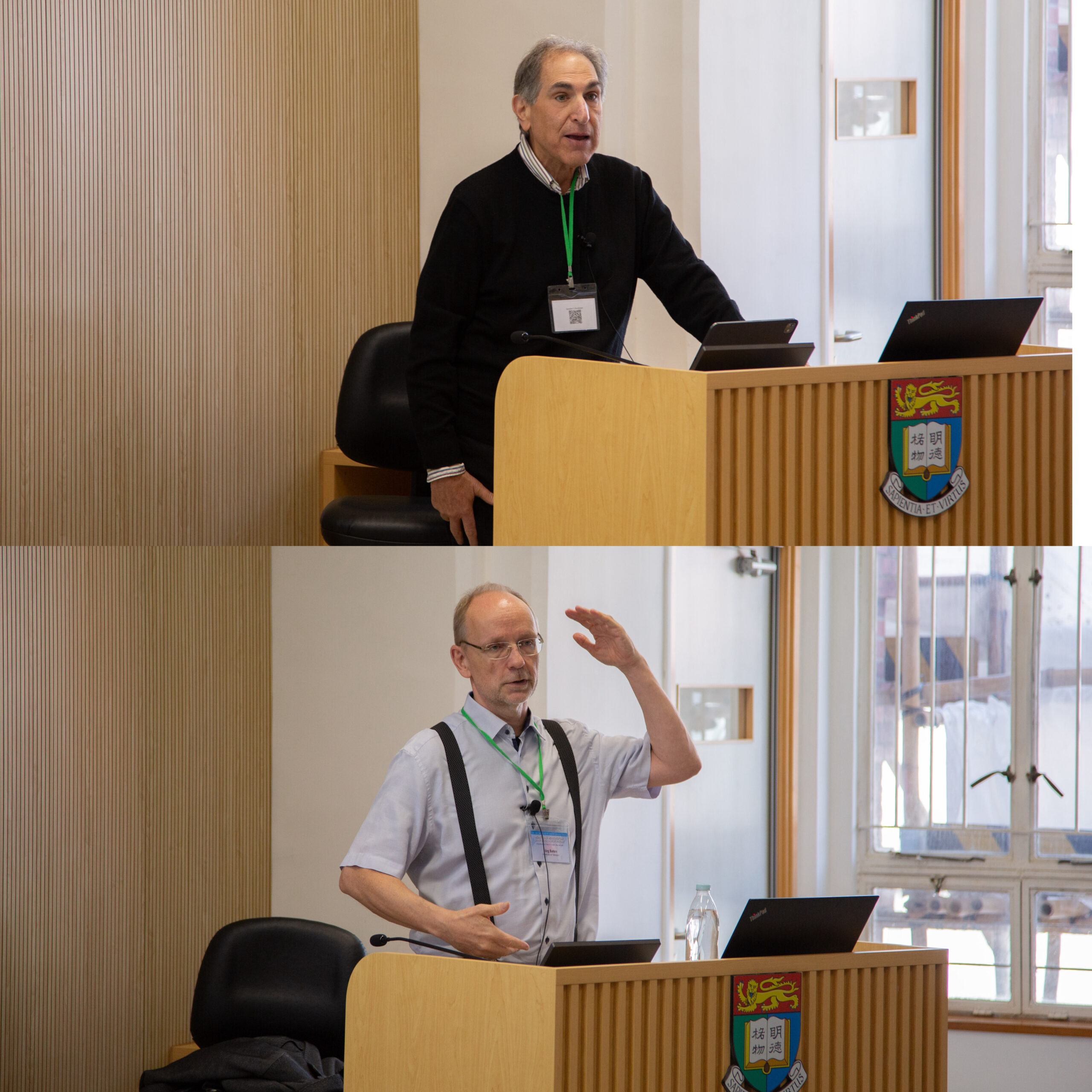
Professor Gary Feinman of the Field Museum examined the institutional dimensions of this issue, arguing that population size alone does not determine centralization; rather, the way governance is financed plays a crucial role in producing concentrated wealth and power. Professor Jörg Baten of the University of Tübingen expanded the temporal scope, exploring long-term patterns of son bias in East and South Asia compared to Europe, and questioning whether gender inequality should be viewed as a cultural constant.
SESSION 2
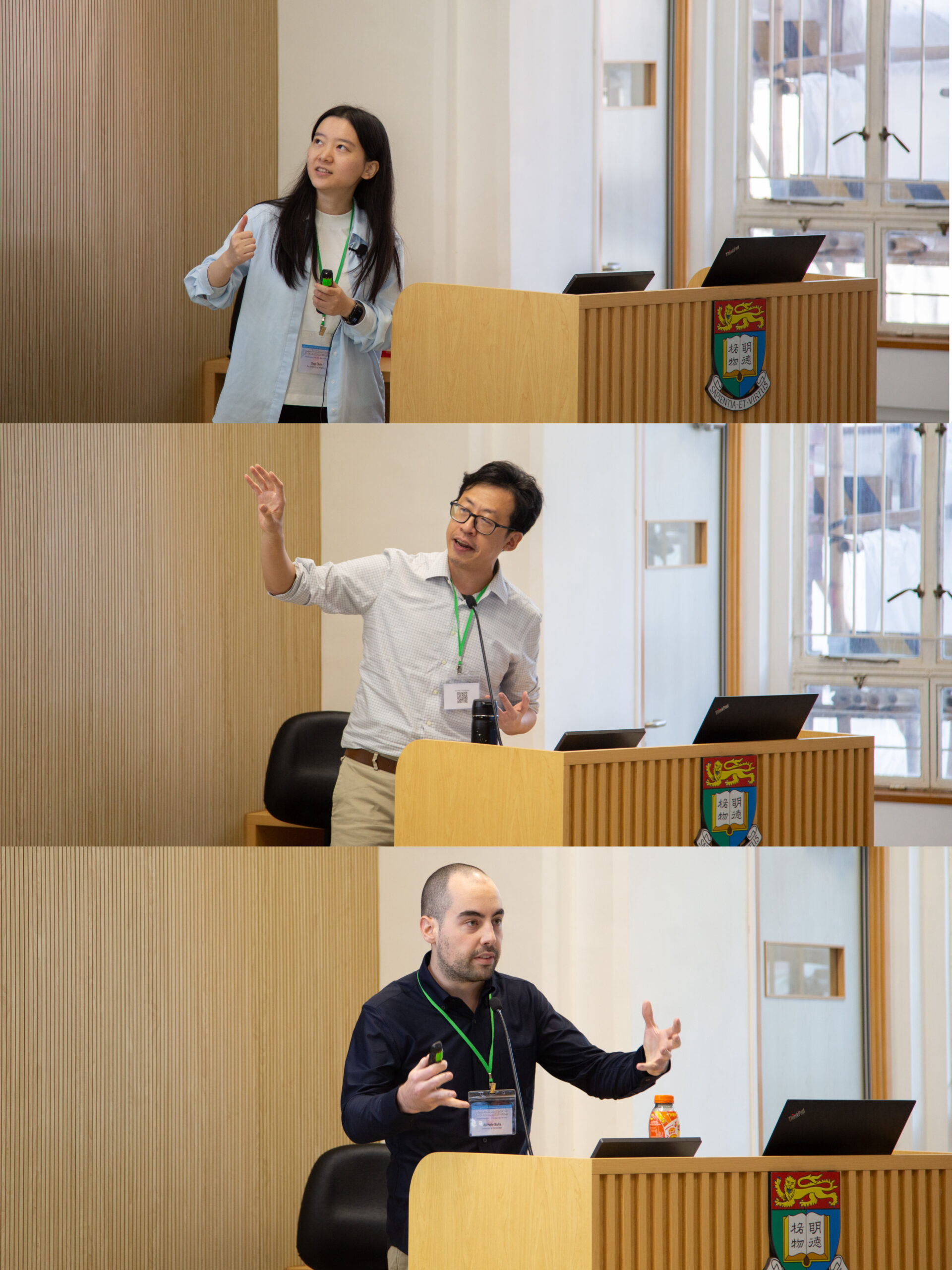
The second session turned to early China. Professor Zhiwu Chen linked the spread of iron weapon graves to the rise of philosophical thought from 770 BCE onward, utilizing a database of over 557,000 grave goods from more than 51,000 sites. He identified three mechanisms driving this development: escalating violence and governance demands, war-driven urbanization fostering intellectual growth, and the expansion of state power fueling philosophical expertise. Professor Yuqi Chen from HKU traced access to bronze and iron over ten millennia, showing that inequality increased during the Bronze Age and declined with the diffusion of iron—though the impact depended heavily on who could obtain the metal, with state monopolies like that of the Han eroding access and influence. Professor Weng-Cheong Lam of The Chinese University of Hong Kong examined mortuary evidence from Hunan and Lingnan, revealing complex intersections of wealth, connectivity, and cultural identity that challenge simple divides between prosperous migrants and local populations. The session concluded with Mr. Michele Bolla, a doctoral candidate at the University of Cambridge, reconstructing income inequality in late Western Han China from transmitted texts, estimating a Gini coefficient comparable to Rome’s but with notably higher resource extraction.
SESSION 3
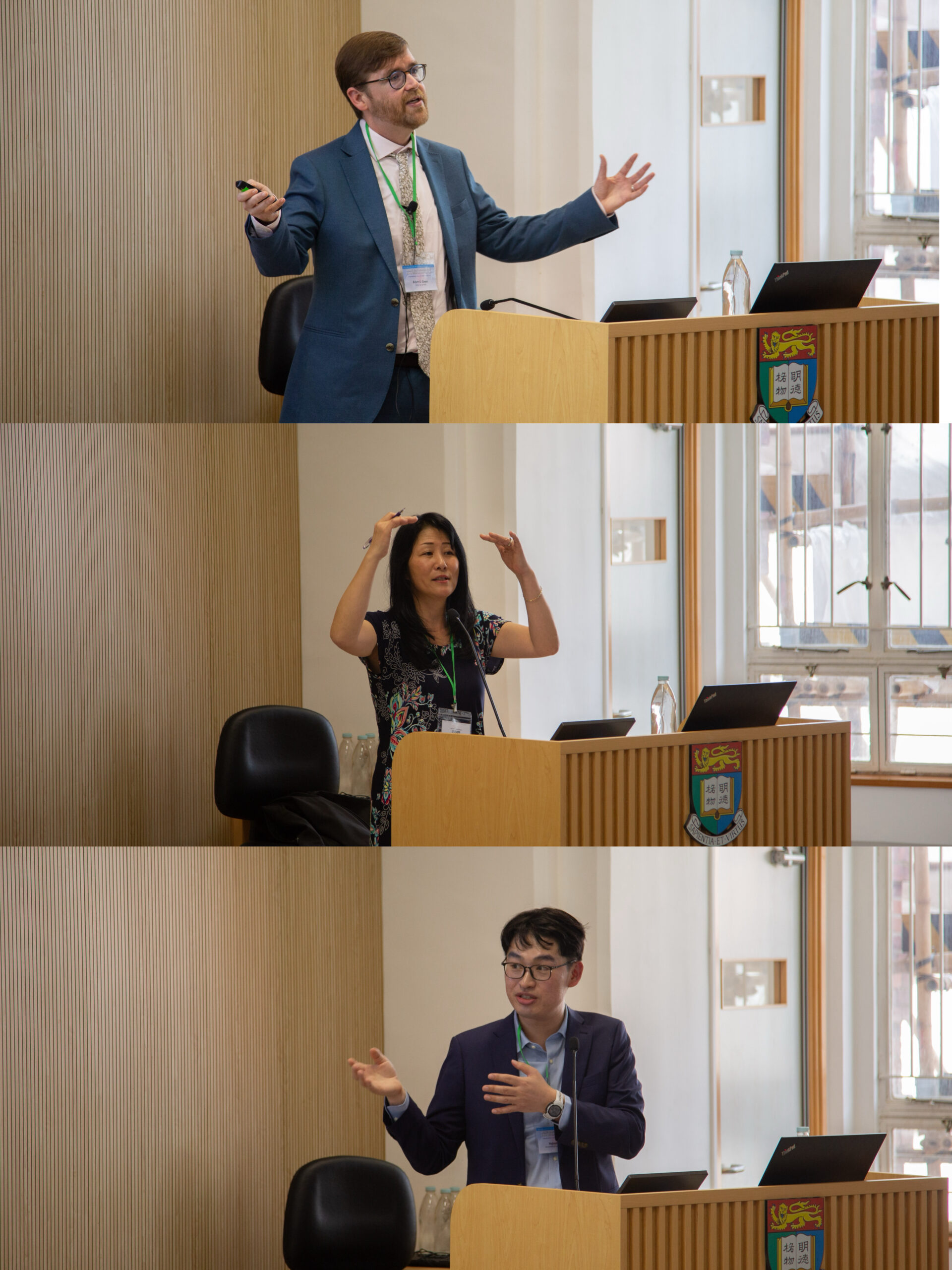
The final session focused on households and settlements. Dr. Adam Green of the University of York applied material flow analysis to past economies, treating settlements as “social metabolisms” to explore what residential stocks and flows reveal about inequality. Professor Yoko Nishimura of Gettysburg College analyzed household wealth in Japan’s Jōmon and Yayoi periods over nearly three millennia, finding that inequality fluctuated rather than steadily increased with societal complexity. Dr. Habeom Kim of UC Berkeley modeled how topography influenced village founding and division, identifying low economic inequality and weak institutional cohesion as key factors behind village fission in Korea’s Songgukri settlements.
CLOSING DISCUSSION
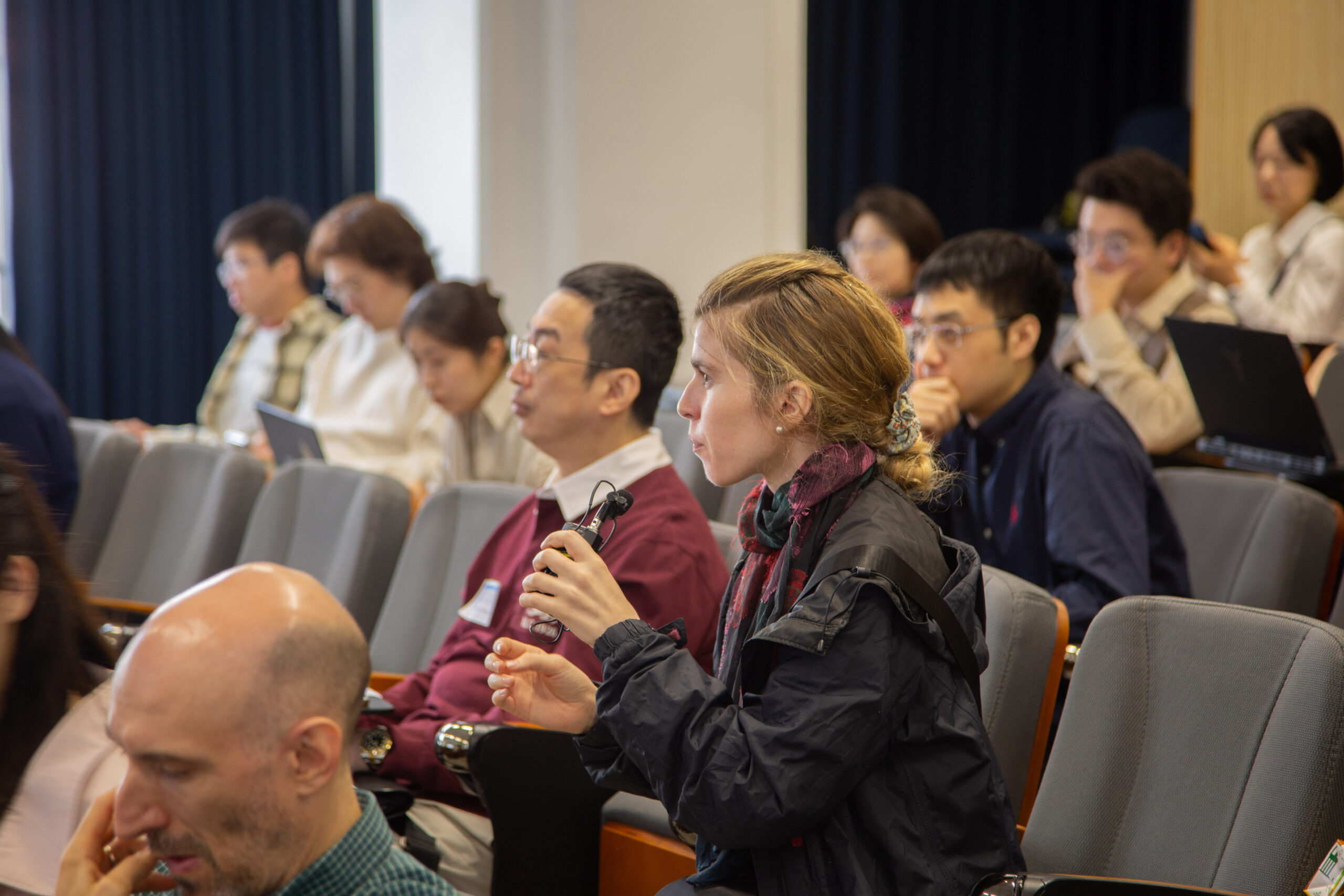
The workshop concluded with an invited working discussion, where participants reflected on the comparative and methodological insights raised by the papers. Professor Tim Kohler emphasized that understanding the function and degree of inequality offers a valuable lens for exploring broader social processes, expressing hope that such analyses can be extended across different times and regions. Professor Zhiwu Chen thanked the participants and highlighted the shared interest in fostering future collaborations—both through continued workshops and joint research initiatives.
Over the course of two days, the workshop demonstrated that the gap between a Gini coefficient and a grave good is often narrower than it appears. Twelve regions, ten thousand years of Chinese material culture, three millennia of Japanese household remains, and numerous Korean village sites all contributed to a shared inquiry. The discussions revealed that disagreements were as enlightening as agreements, enriching our understanding of early human societies. The event closed with participants looking forward to future editions and the collaborative opportunities these conversations have sparked.
About the Hong Kong Workshop on Early Development History
Featured by the newly established research cluster in Early Chinese History and Archaeology under IHSS, this workshop fostered vibrant discussions on societal growth, inequality evolution, and the influence of technological and institutional shifts throughout human history. We extend our gratitude to all speakers and participants for their valuable contributions and look forward to future collaborations inspired by these insights.